
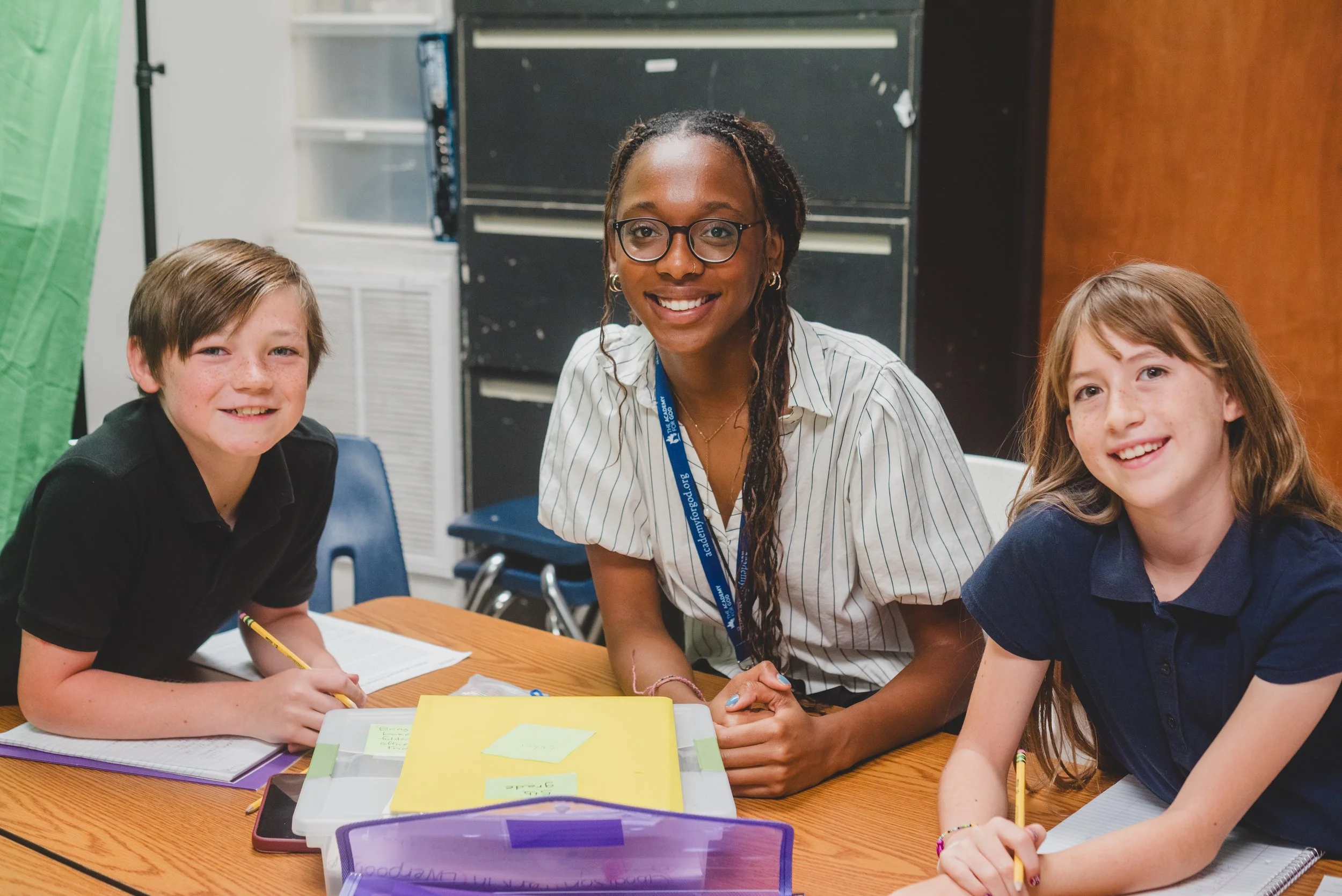
Meet Our Paraeducators
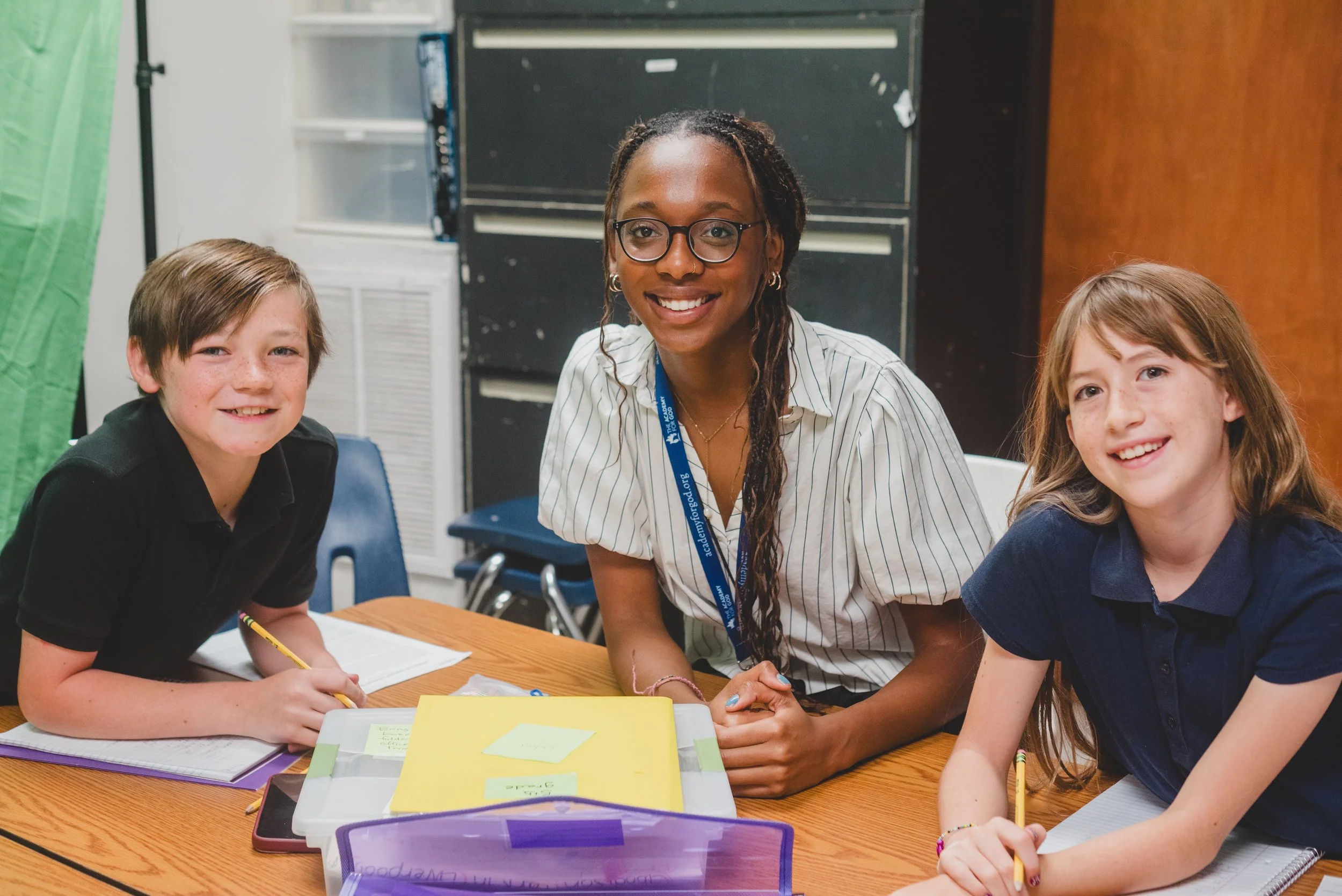
The Academy for God participates in Nashville Bible College’s (NBC) professional development program called ‘ProDev’. The program is offered to qualifying full-time undergraduate students who wish to pursue work experience in the fields that are offered by NBC. Students who wish to work with our school are taken into the Academy’s paraeducator program. The term ‘proDev’ belongs to Nashville Bible College, yet in our program they are paraeducators and undergo the training that follows their administrative or instructional trajectories.
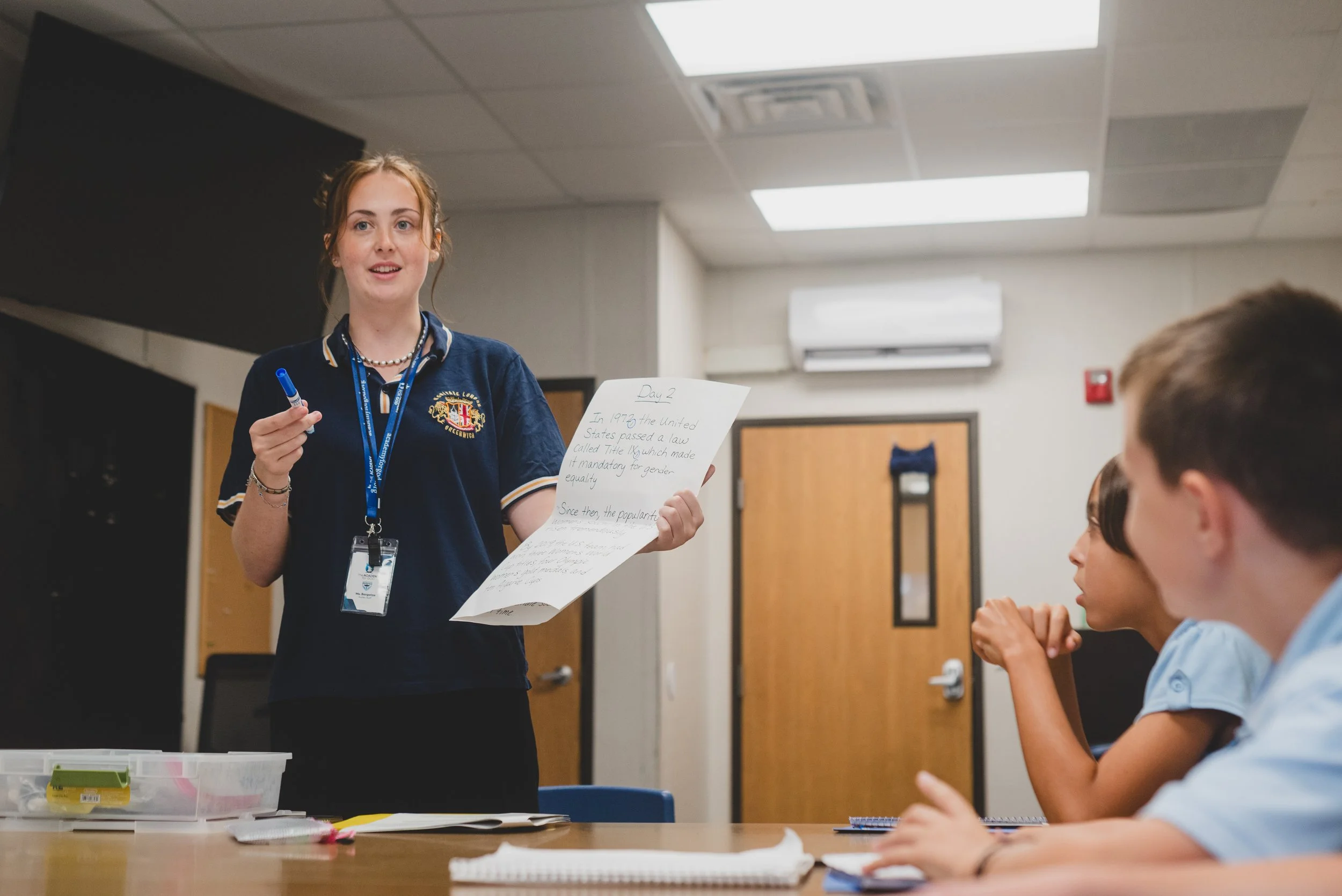
Paraeducators (PE) are equipped with the same operational training as faculty – CPR certified, Mandatory Reporter Training, background checks, and crisis response training provided by the Metro Nashville Police Department. They work with our director of security for traffic guard training and our principals for lunch and recess supervision protocols and expectations.
While most PE’s are supervision and monitoring, some have opportunities for group and classroom instruction at the K-6 grade levels. The two opportunities are a 25-30 minute targeted reading group for 2 days a week (at or above benchmark) or a 30-minute History and Geography class at 4 days a week. They are never used for core reading, math, Bible, or science. The lessons they teach are provided by highly scripted programs. They are not developing content nor designing the instruction. The programs they use are educative (as you teach with them, they teach you how to teach). This is one of the tremendous benefits of having well-developed instructional materials.
Those PE’s that do instruct are not left to themselves. They are supported by a scheduled cadence of training and resources, supervision, observation, and feedback directly from the Primary Grade level Instructor, Literacy Lead, Instructional Coach, Principal of Primary, and Head of Curriculum and Instruction. They also have dedicated prep and collaboration time built into their schedules.
We view the para-educators as teacher candidates invited into a developing pre-service teacher training program that will build K-12 educational qualifications through relevant experience and meaningful certifications. Many argue that the failure of US education falls on the colleges of education, as they do not equip pre-service educators with the skills or knowledge needed for effective instruction. They focus on ideological beliefs, preferences, and instructional myths (i.e. learning styles), highly abstract educational philosophy, and generic and content-free skills instruction. Educators in training could be better served by focusing on cognitive science and the mechanics of memory, deliberate practice of technique and classroom routines, and systematically building domain-specific content knowledge combined with explicit instruction, which is precisely the direction that our paraeducator program is headed.
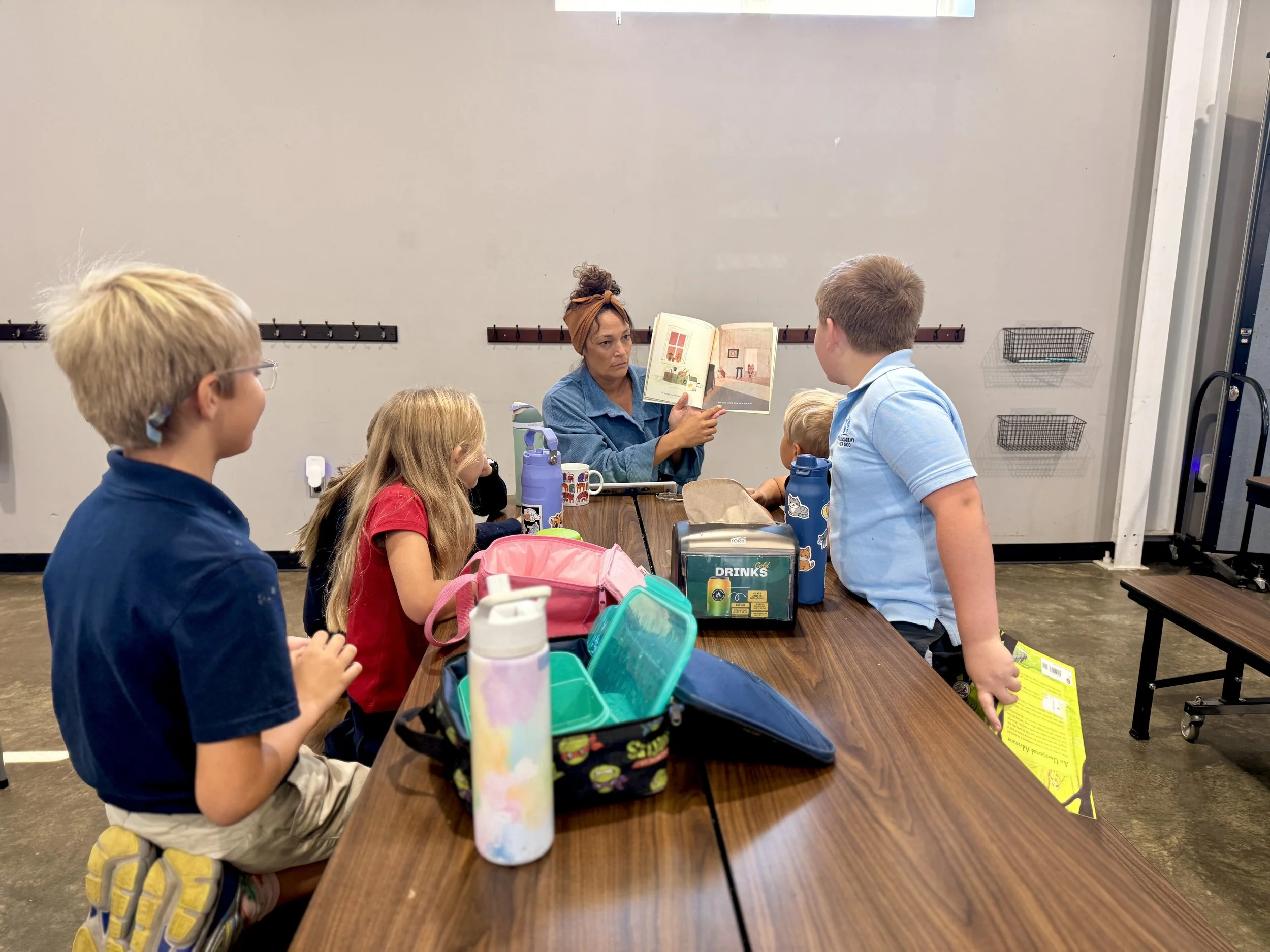
Lunch Bunch: Building Skills for Learning and Life
At The Academy for God, we know that learning involves more than academics. Students are continually developing the social and emotional skills they need to navigate relationships, manage emotions, make thoughtful choices, and engage well in the classroom.
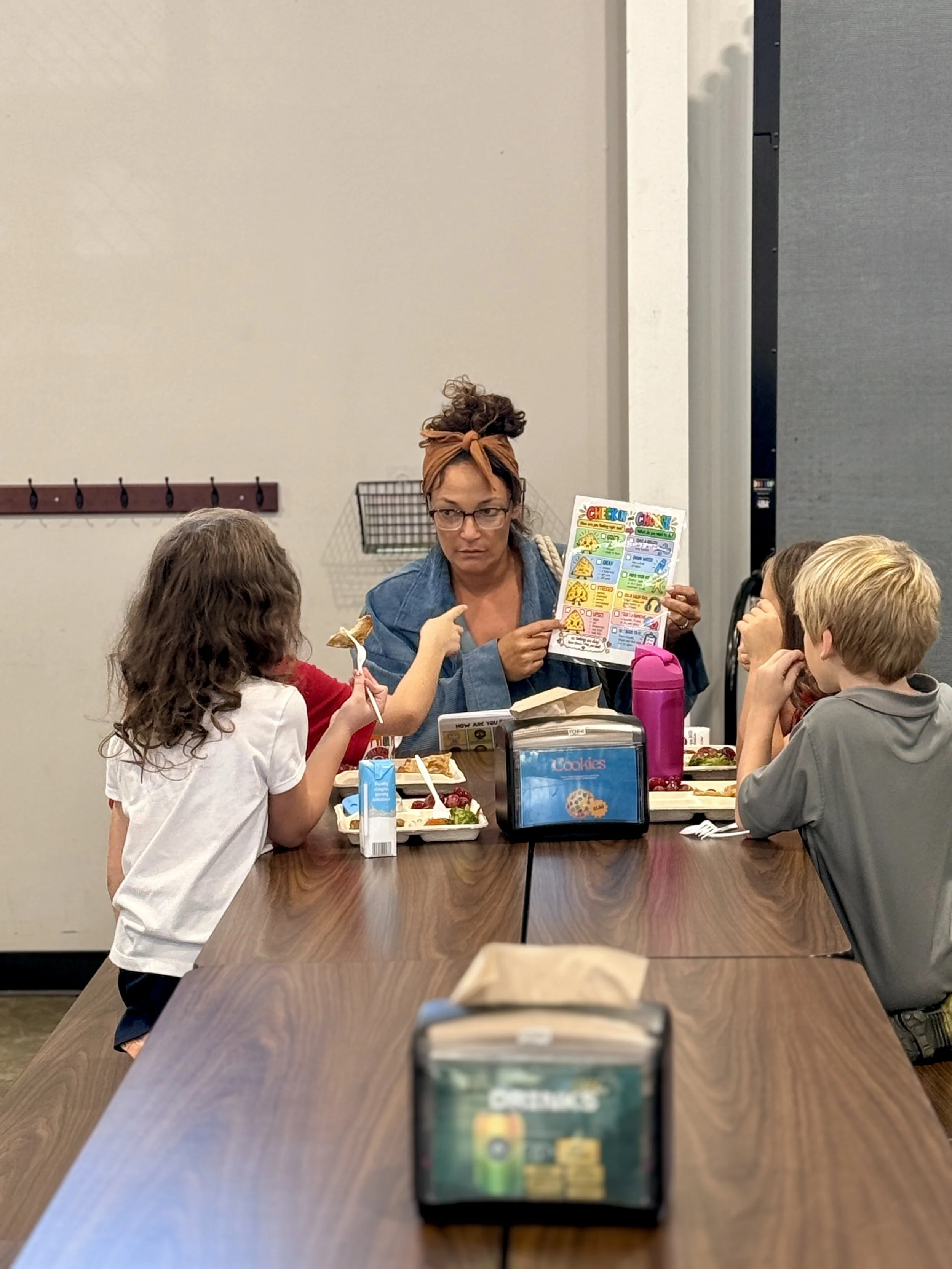
As the Academy’s School Social Worker, Ms. Liz Kagay partners with teachers to support students’ social, emotional, and academic learning. This year, all of our third-grade students participate in Lunch Bunch once a week. During Lunch Bunch, students eat lunch with her in a small group of about five or six classmates while they practice skills that can help them both in and out of the classroom.
Learning to Recognize All-or-Nothing Thinking
One of the first concepts explored is all-or-nothing thinking—the tendency to see situations in extremes.
For example, a student might receive a disappointing grade and think, “I’ll always do poorly.” While that thought may feel true in the moment, it doesn't tell the whole story.
Instead, they practiced the Power of Yet:
“I haven’t learned this yet. What’s one step I can take to improve?”
The goal is to help students recognize that a difficult moment does not define their ability or their future. There is room to learn, grow, and try again.
Check In and Choose (or, as We Call It, “Check In and Cheese!”)
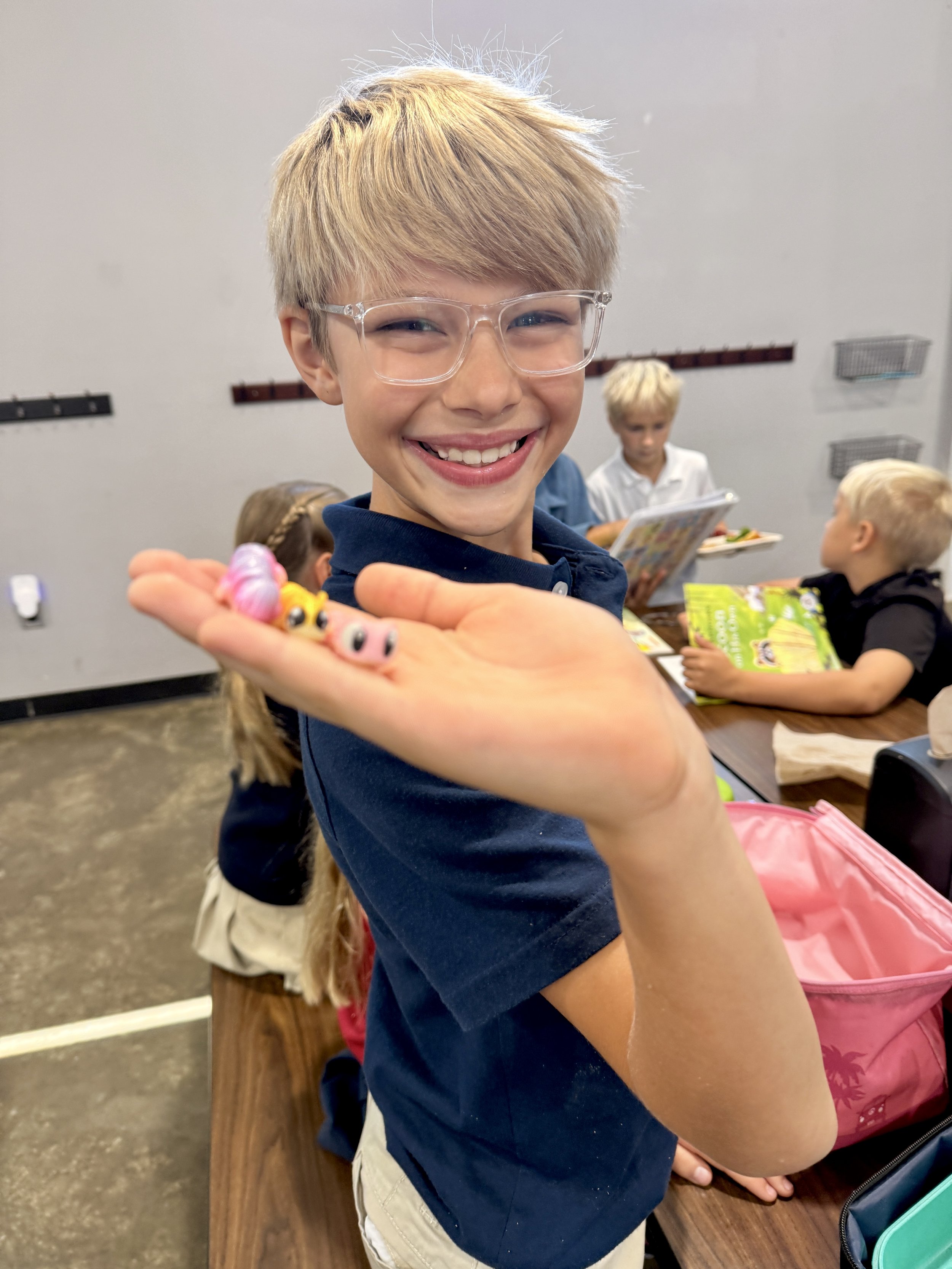
Students are also practicing a strategy called Check In and Choose. This helps them identify how they are feeling and then choose a helpful way to respond.
The strategy is simple:
Check In: What am I feeling right now?
Choose: What is a helpful response to that feeling?
And, thanks to a little slip of the tongue, one group affectionately renamed the strategy “Check In and Cheese.” The name stuck!
For example, a student may feel excited and full of energy during a lesson. Instead of allowing that energy to turn into getting up and running around the classroom, the student might choose a quieter way to move—such as gently moving their feet under their desk while continuing to work.
The goal isn't to tell students that their feelings are wrong. All feelings are okay. We want students to learn that while they cannot always control what they feel, they can practice choosing how they respond.
Helping Students Be Present for Learning
These skills may seem simple, but they can have a meaningful impact on a student's ability to learn.
When students can recognize their emotions, challenge unhelpful thoughts, and choose appropriate responses, they are better equipped to focus their attention, work through frustration, interact positively with others, and remain present in the classroom.
Throughout the year, students will continue learning and practicing strategies during Lunch Bunch. They will also bring home worksheets that reinforce the concepts we have discussed, beginning with All-or-Nothing Thinking and Check In and Choose (Cheese!).
Families are welcome to use these resources as conversation starters at home. You might ask:
“Have you ever caught yourself thinking in all-or-nothing terms?”
“What is something you haven't learned yet?”
“How are you feeling right now?”
“What is one helpful choice you could make?”
Our hope is that these small, practical tools become skills students can carry with them—not only through third grade, but throughout their education and beyond.
At The Academy for God, we want to help students grow as learners, but also as people who understand themselves, care for others, and know how to make wise choices.
What is Explicit Instruction?
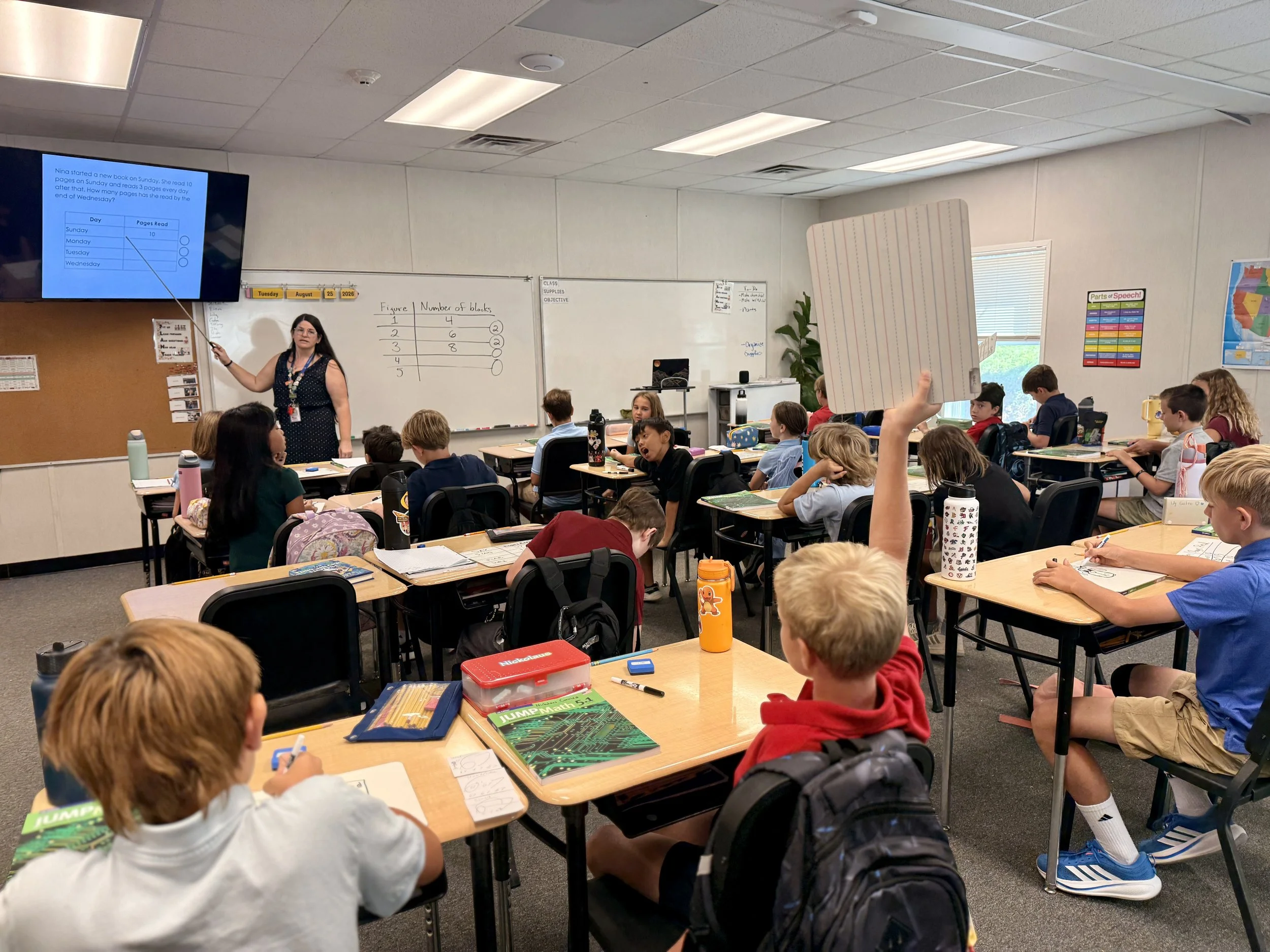
Explicit instruction is a method of instruction that is built around high rates of student participation (the whole class answers, not just one student at a time: choral responses, whiteboards, partner talk, and written answers), teacher modeling followed by guided practice, mastery learning (knowledge that sticks, not just performance on test day), works within the constraints of human cognition (cognitive load theory), and lays the foundation for creative and complex problem solving.
We are focused on this method because of its rich evidence base. The risk of piloting instructional methods on novice learners that have no grounding in success is not wise. The largest educational study on instructional methodology, Project Follow Through, was funded by the U.S. Office of Education and ran from 1968 to 1977, tracking roughly 200,000 students across 180 communities. Explicit (direct) instruction was a clear winner that not only boasted the highest learning outcomes but also student affect! Kids that are successful in the classroom become confident, have higher self-esteem, and are motivated to take on more challenging content. Success yields motivation, not the other way around.
Successful instruction is guided by successful learning. How well we teach determines how well they learn. Explicit instruction is being deployed not just within math and reading, but also character and faith development. How does a student know what patience looks like unless they see it modeled and are able to practice it themselves? Explicit instruction is a tide that raises all ships.
Encouraging report from a Nashville School
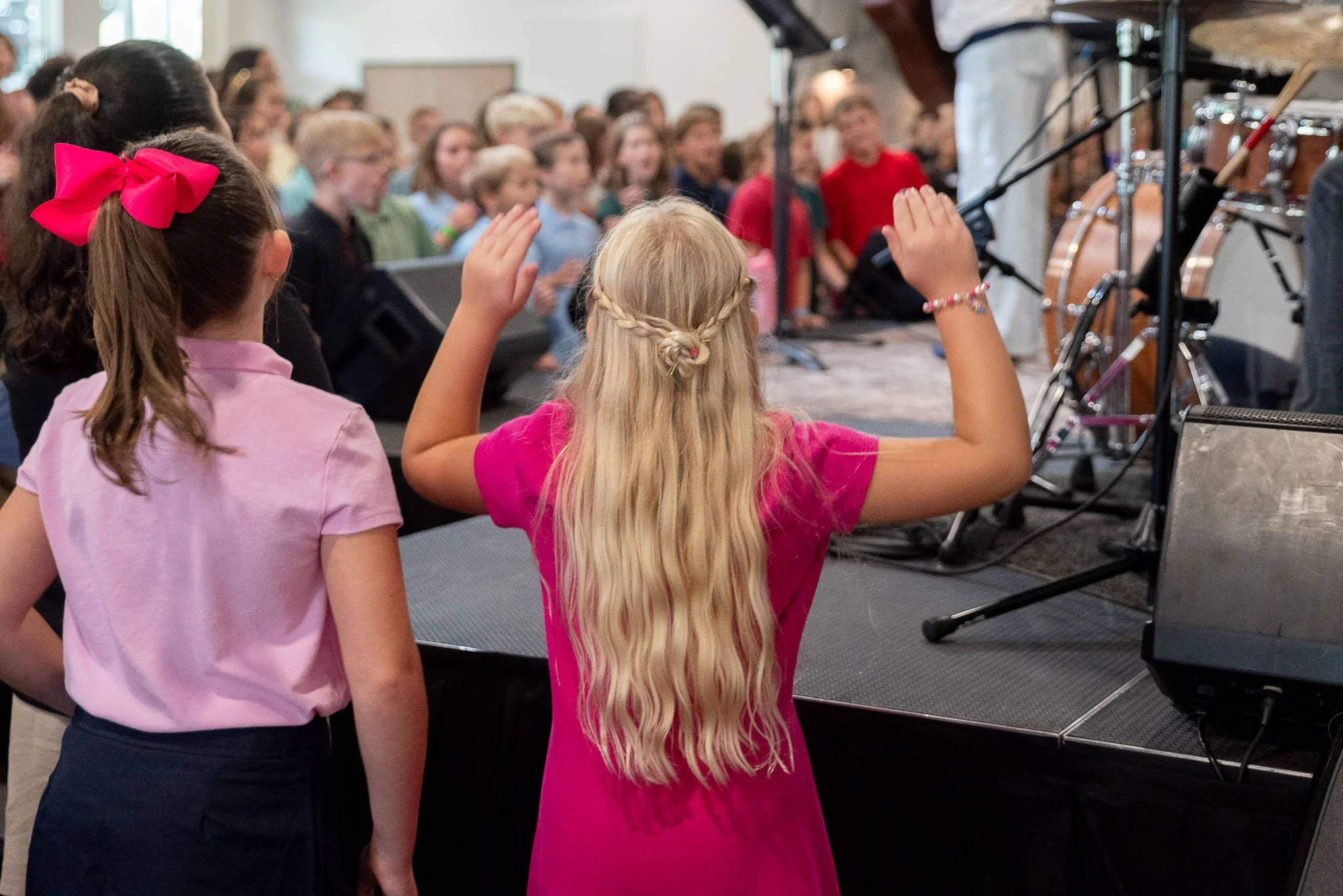
Faith Formation: A Leading Priority
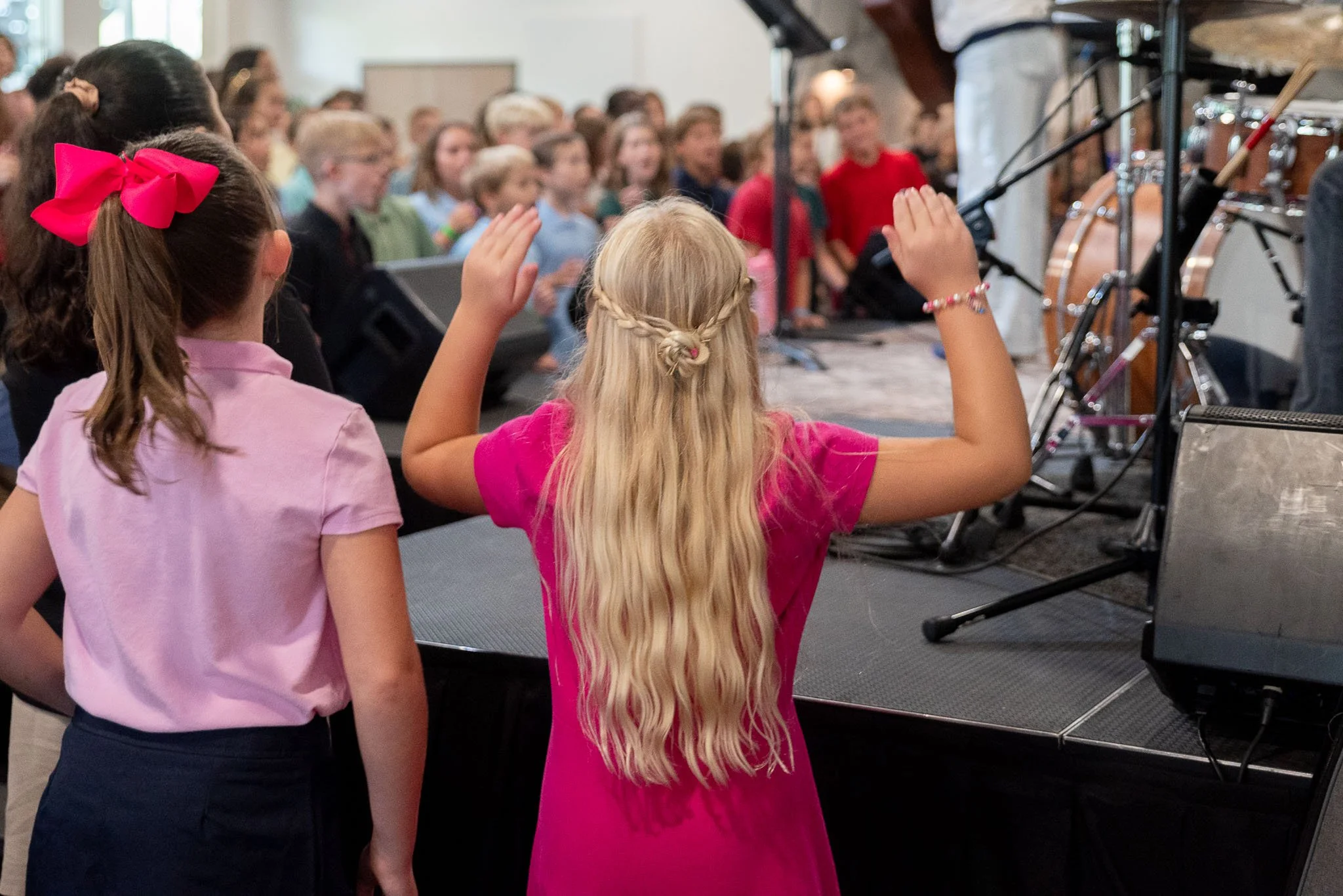
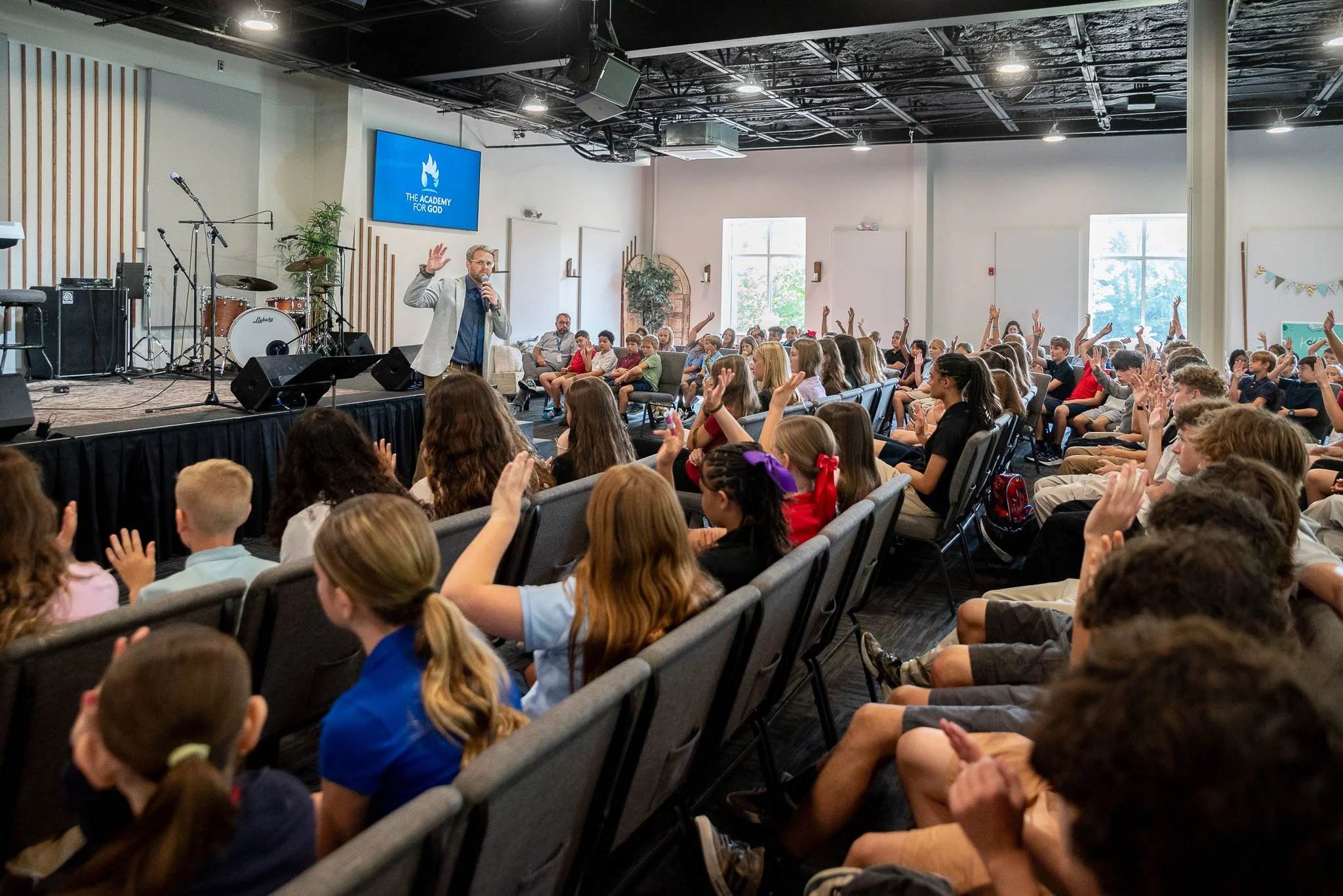
Faith formation and character development is a team effort among family, church, and school. As a school, we provide development in faith in multiple ways from formal classes and gatherings to informal avenues through day to day teacher interaction and encouragement. In regards to the organized and more formal methods, chapel is still every Wednesday for all grade levels. Bible class time has increased in Kindergarten and stayed the same through elementary compared to previous years. In Junior High, Bible class meets two days a week, and in High School, Bible class is five days a week, which is an increase from previous years.
Our high schoolers take a Public Ministry course, our 9th graders have Worship Band, and our 9th and 12th grade fine arts classes are centered on music and public ministry — service and worship, not just performance. Faith formation isn't taking a back seat anywhere in this school — it's a priority.
We also protect time for our students’ spiritual, social and emotional learning every single day. Our K-2 students start every morning with 20 minutes of homeroom built around social-emotional learning and Bible; 3rd through 8th grade get that same rhythm in a focused 10 minutes and this doesn’t include their bible classes. As mentioned, HS has bible classes every day.
As many of you already know, we have teachers who have a heart for showing students how to live out our calling as God’s children. Our teachers are biblically educated, wholly committed to Jesus. Students have the privilege of being built up and instructed by people who filter their education through a biblical lens. It’s how we teach through a biblical worldview.
Our hope as a school is to provide discipleship for students to know how to exemplify the character of our Lord both here and in the world. I love the story of when Jesus went to school for three days and gave his parents a bit of a “heart attack” because they couldn’t find him. The story concludes saying that, ”And Jesus grew in wisdom and stature, and in favor with God and man.” Our hope for our students is that very thing: to grow in wisdom and stature and in favor with God and man. As I said before, this is a team effort, and we’re thankful to do our part in our students’ lives to teach faith and wisdom.
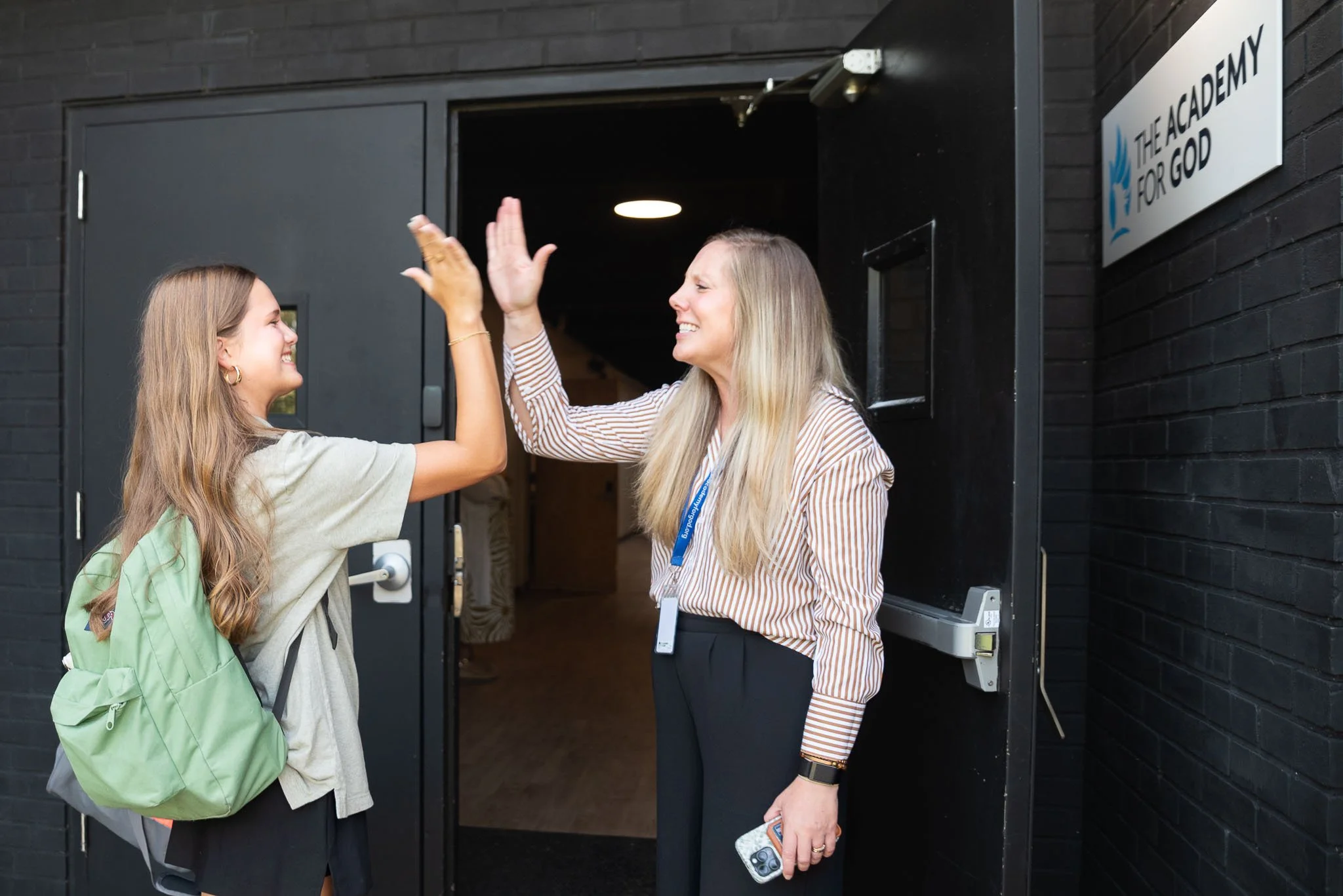
Welcome to the ‘26-27 School Year!
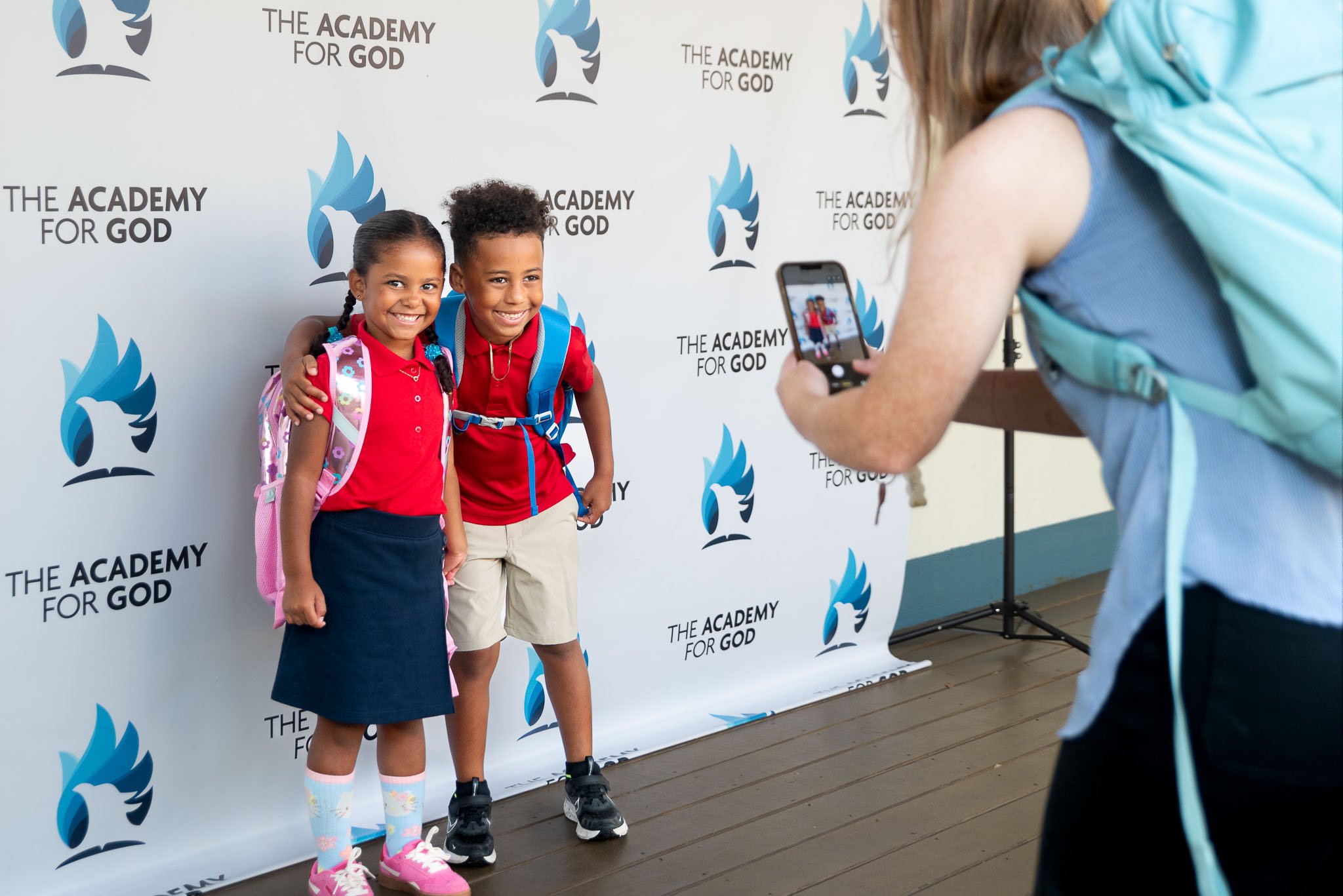
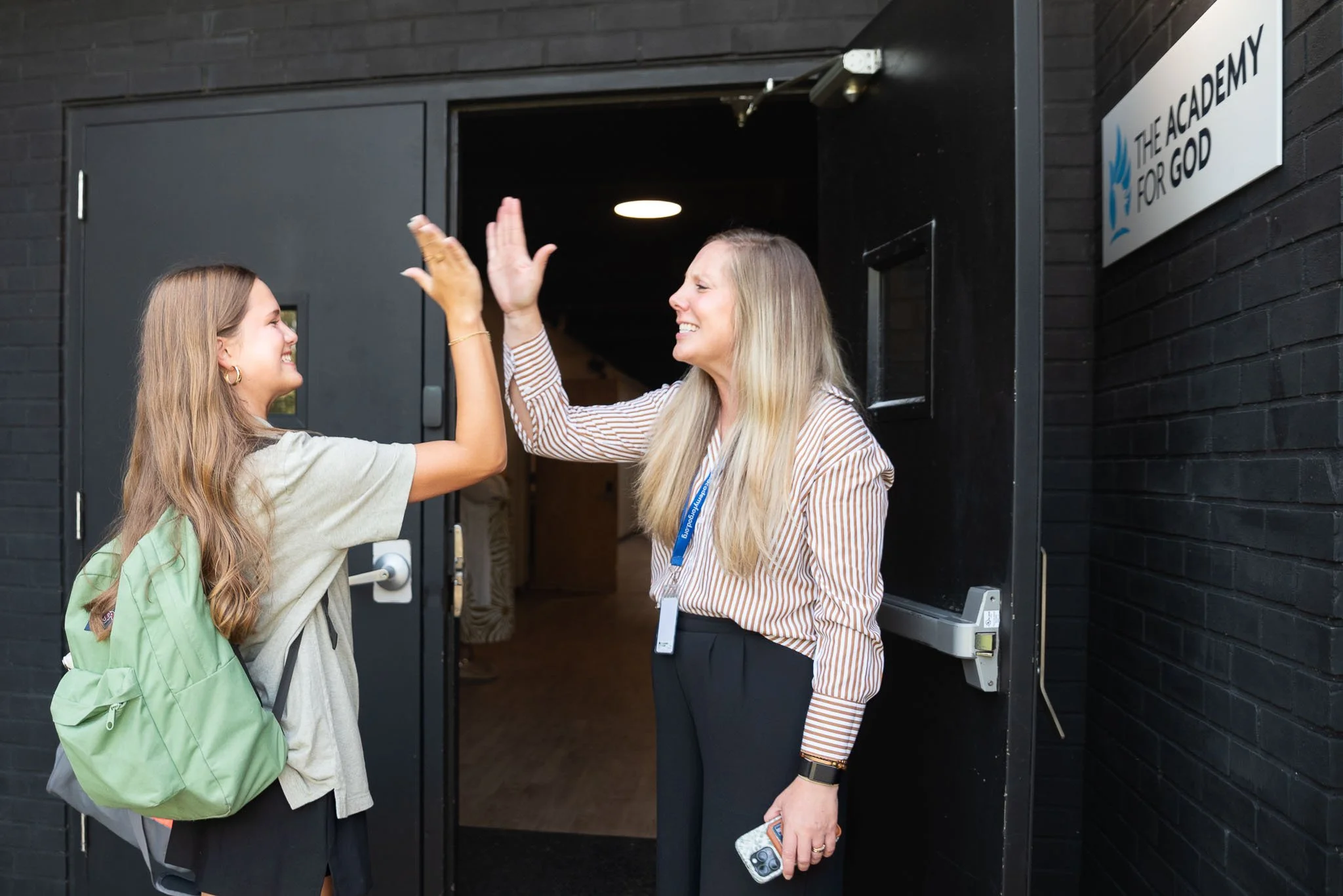
This month, the halls of The Academy for God came alive once again as we welcomed students, families, and staff back for our 14th year of educating students in faith, knowledge, and character.
Walking through our campus on the first day, you could feel the excitement in the air—new backpacks, fresh school supplies, and the joyful chatter of students reuniting with old friends and meeting new classmates. Our teachers and staff spent the summer preparing classrooms, learning new curriculum, and praying over the year ahead.
Fourteen years is a milestone worth celebrating. It represents fourteen years of students who have gone on to become leaders, servants, and faithful members of their communities. It represents fourteen years of partnership with parents who trust us with their children's education and spiritual formation. And it represents fourteen years of God's faithfulness in sustaining and growing this school beyond what any of us could have imagined at the start.
We are so grateful for our students, families, teachers, and staff who make this school what it is. Here's to another year of learning, growing, and honoring God together. Welcome back, Academy for God family—Year 14 has officially begun!