


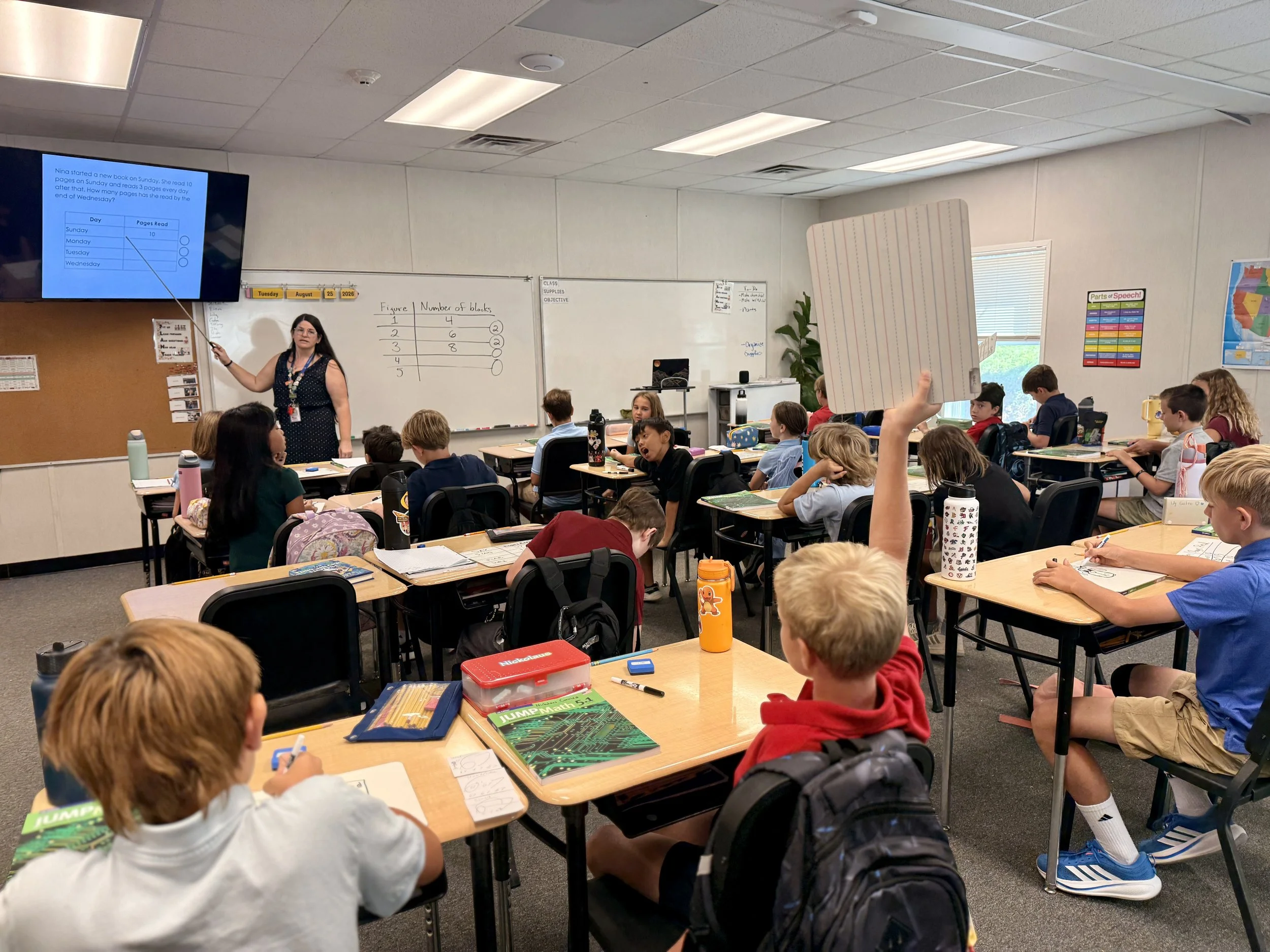
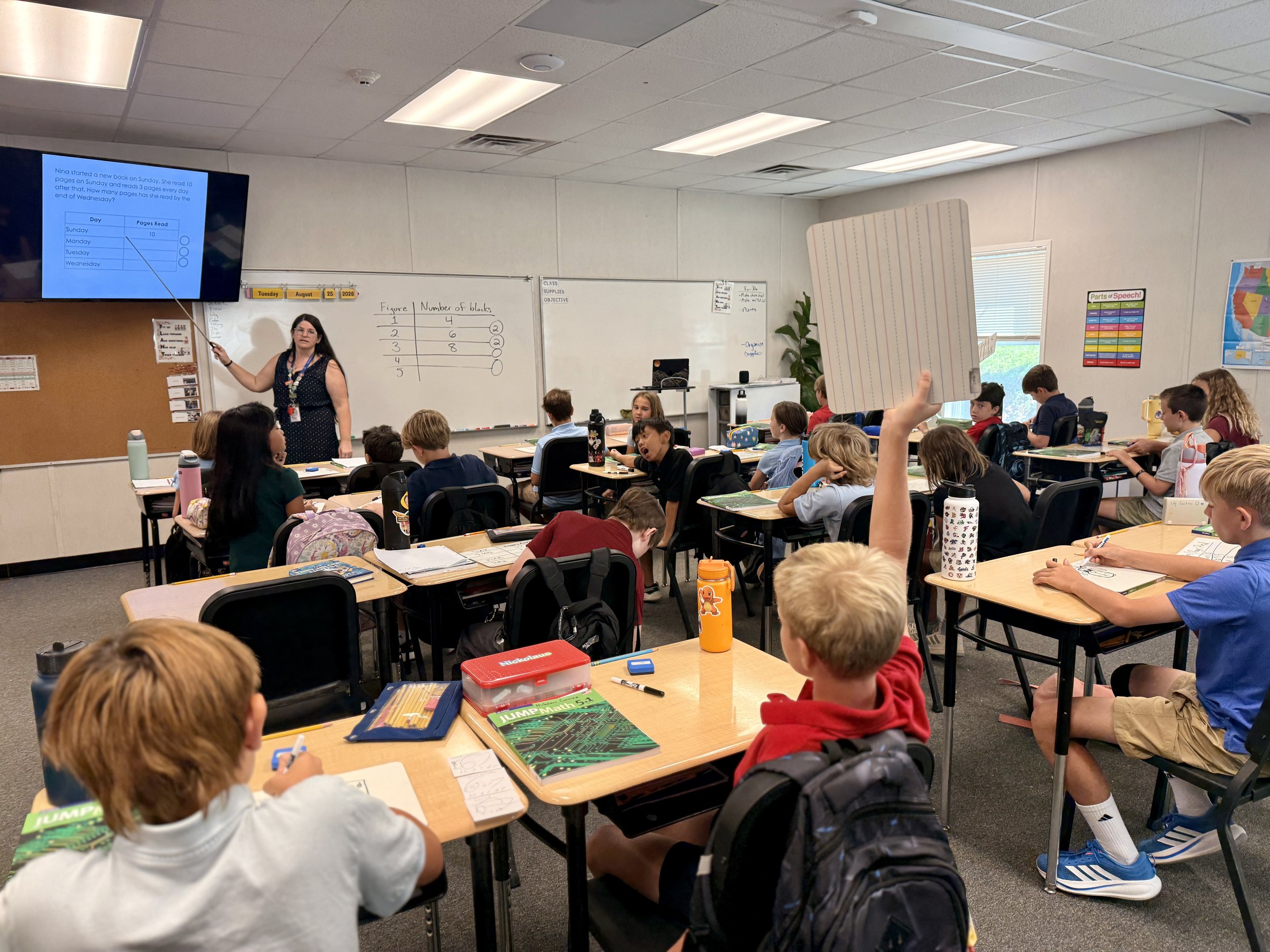
What is Explicit Instruction?
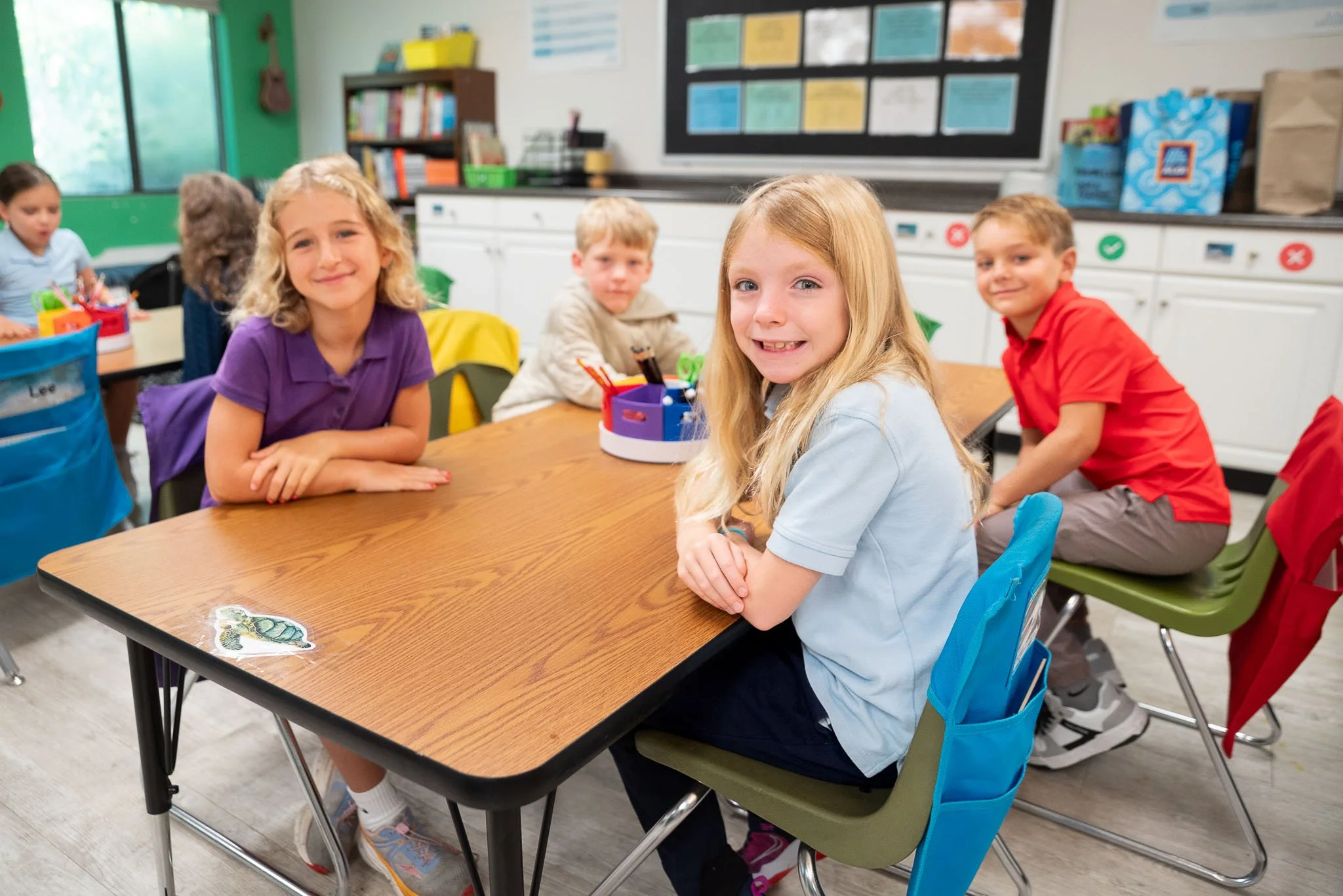
Explicit instruction is a method of instruction that is built around high rates of student participation (the whole class answers, not just one student at a time: choral responses, whiteboards, partner talk, and written answers), teacher modeling followed by guided practice, mastery learning (knowledge that sticks, not just performance on test day), works within the constraints of human cognition (cognitive load theory), and lays the foundation for creative and complex problem solving.
We are focused on this method because of its rich evidence base. The risk of piloting instructional methods on novice learners that have no grounding in success is not wise. The largest educational study on instructional methodology, Project Follow Through, was funded by the U.S. Office of Education and ran from 1968 to 1977, tracking roughly 200,000 students across 180 communities. Explicit (direct) instruction was a clear winner that not only boasted the highest learning outcomes but also student affect! Kids that are successful in the classroom become confident, have higher self-esteem, and are motivated to take on more challenging content. Success yields motivation, not the other way around.
Successful instruction is guided by successful learning. How well we teach determines how well they learn. Explicit instruction is being deployed not just within math and reading, but also character and faith development. How does a student know what patience looks like unless they see it modeled and are able to practice it themselves? Explicit instruction is a tide that raises all ships.
Encouraging report from a Nashville School
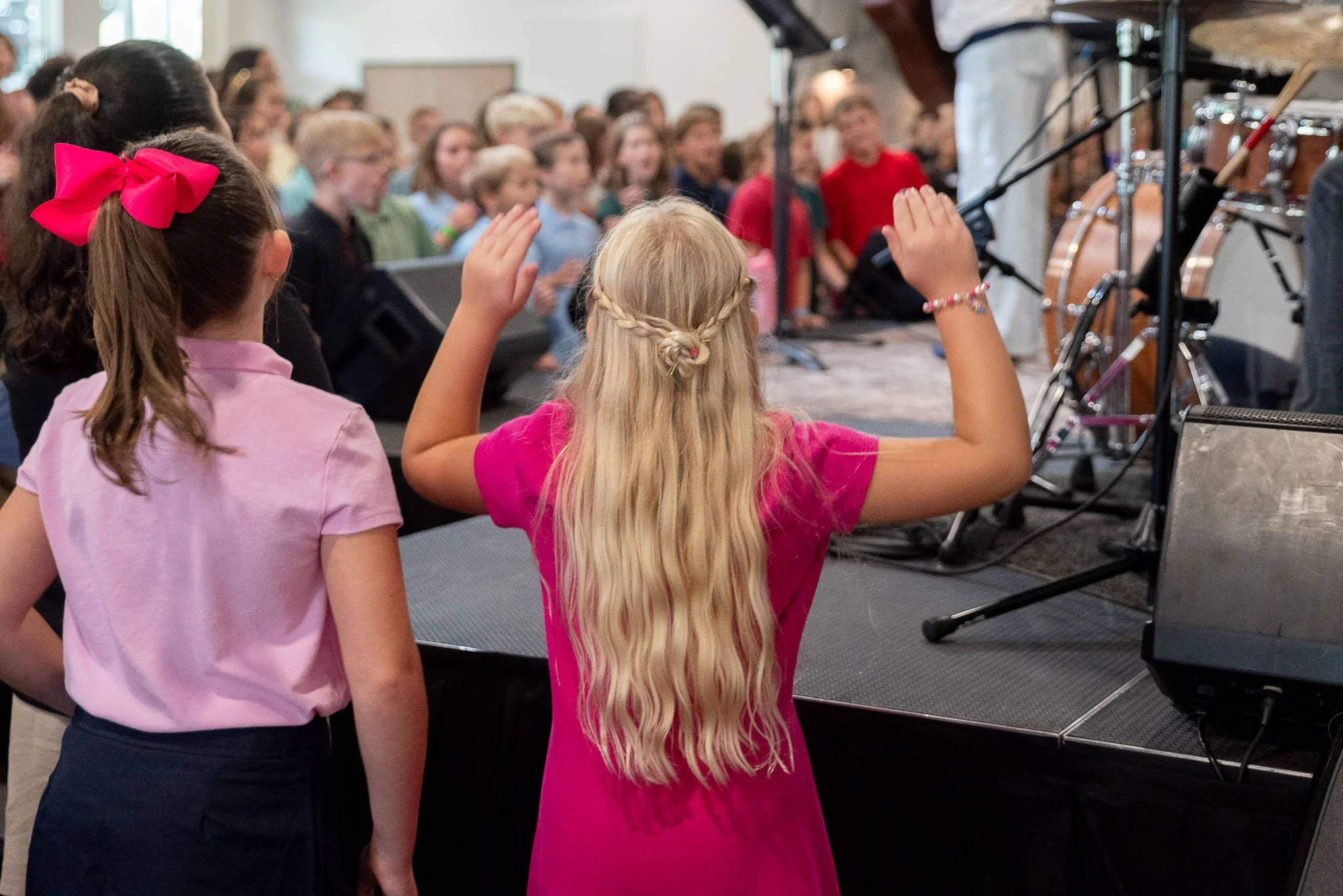
Faith Formation: A Leading Priority
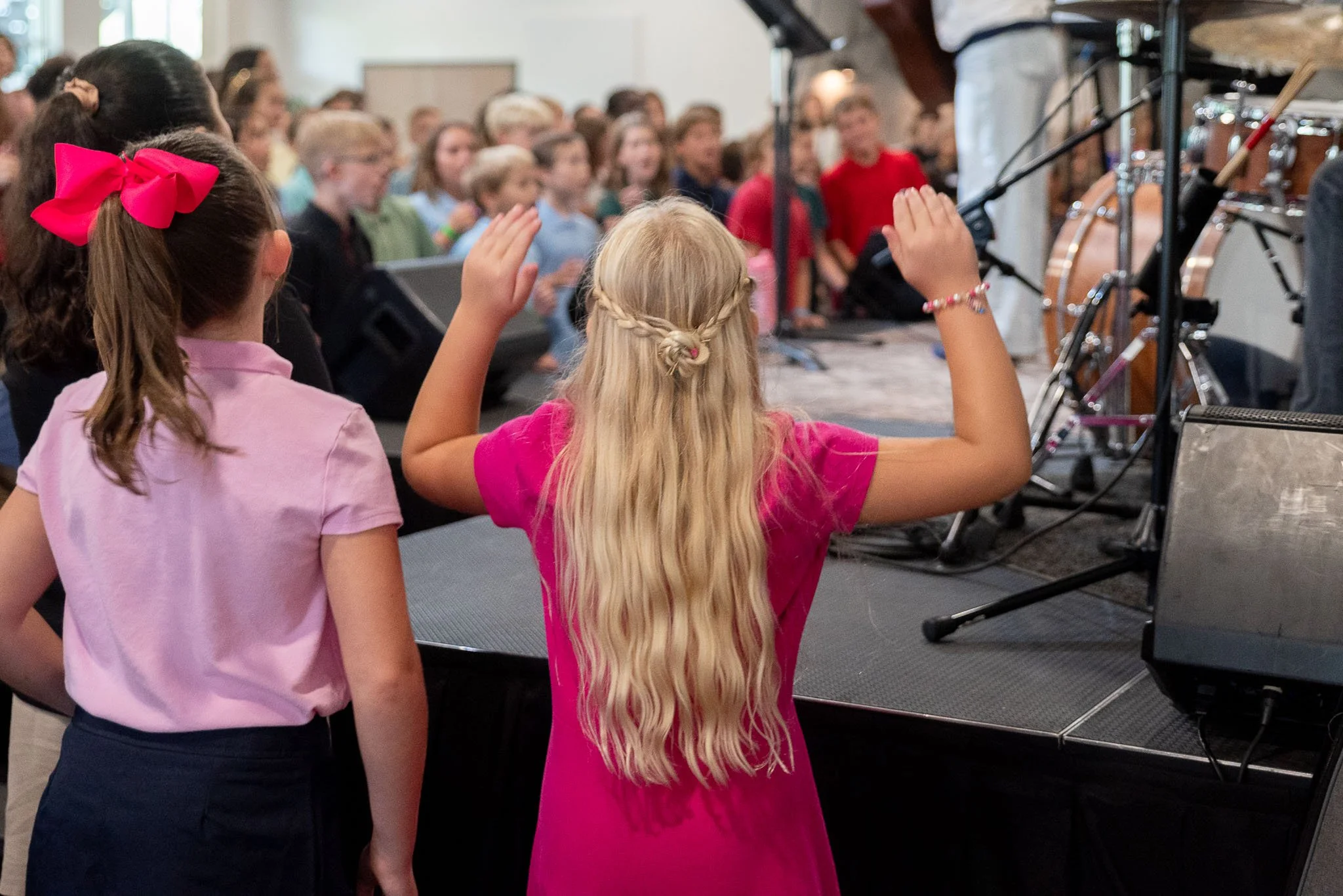
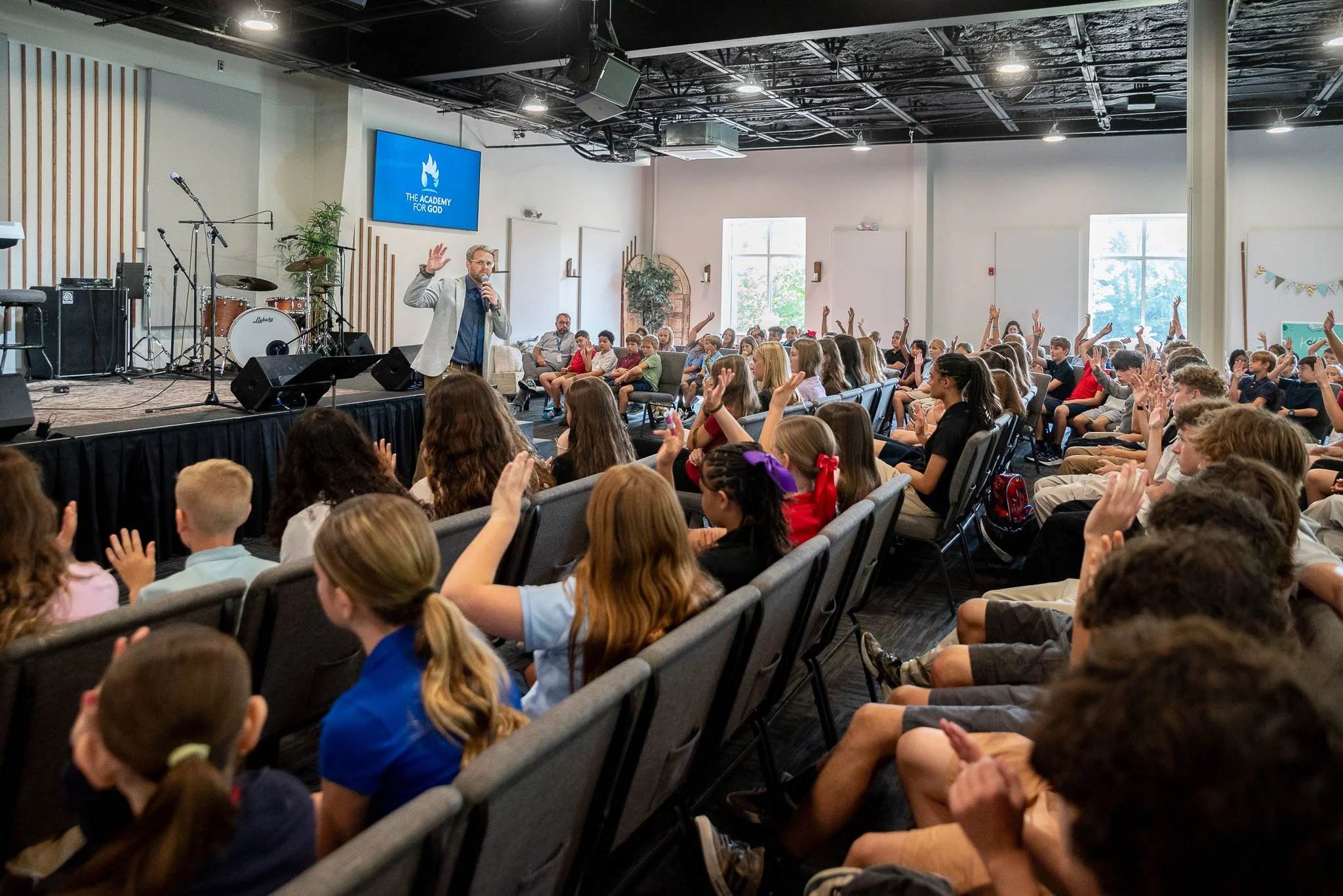
Faith formation and character development is a team effort among family, church, and school. As a school, we provide development in faith in multiple ways from formal classes and gatherings to informal avenues through day to day teacher interaction and encouragement. In regards to the organized and more formal methods, chapel is still every Wednesday for all grade levels. Bible class time has increased in Kindergarten and stayed the same through elementary compared to previous years. In Junior High, Bible class meets two days a week, and in High School, Bible class is five days a week, which is an increase from previous years.
Our high schoolers take a Public Ministry course, our 9th graders have Worship Band, and our 9th and 12th grade fine arts classes are centered on music and public ministry — service and worship, not just performance. Faith formation isn't taking a back seat anywhere in this school — it's a priority.
We also protect time for our students’ spiritual, social and emotional learning every single day. Our K-2 students start every morning with 20 minutes of homeroom built around social-emotional learning and Bible; 3rd through 8th grade get that same rhythm in a focused 10 minutes and this doesn’t include their bible classes. As mentioned, HS has bible classes every day.
As many of you already know, we have teachers who have a heart for showing students how to live out our calling as God’s children. Our teachers are biblically educated, wholly committed to Jesus. Students have the privilege of being built up and instructed by people who filter their education through a biblical lens. It’s how we teach through a biblical worldview.
Our hope as a school is to provide discipleship for students to know how to exemplify the character of our Lord both here and in the world. I love the story of when Jesus went to school for three days and gave his parents a bit of a “heart attack” because they couldn’t find him. The story concludes saying that, ”And Jesus grew in wisdom and stature, and in favor with God and man.” Our hope for our students is that very thing: to grow in wisdom and stature and in favor with God and man. As I said before, this is a team effort, and we’re thankful to do our part in our students’ lives to teach faith and wisdom.
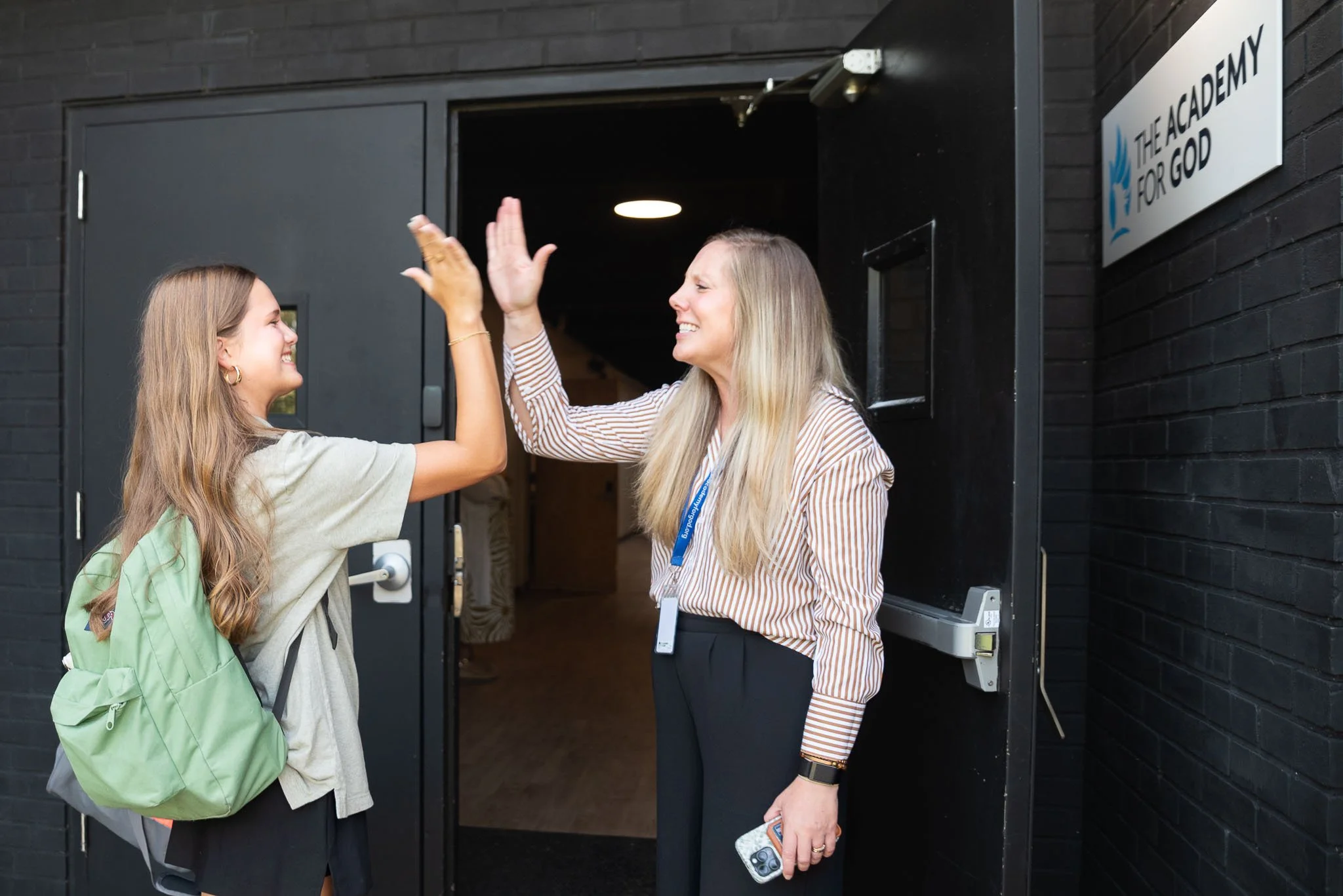
Welcome to the ‘26-27 School Year!
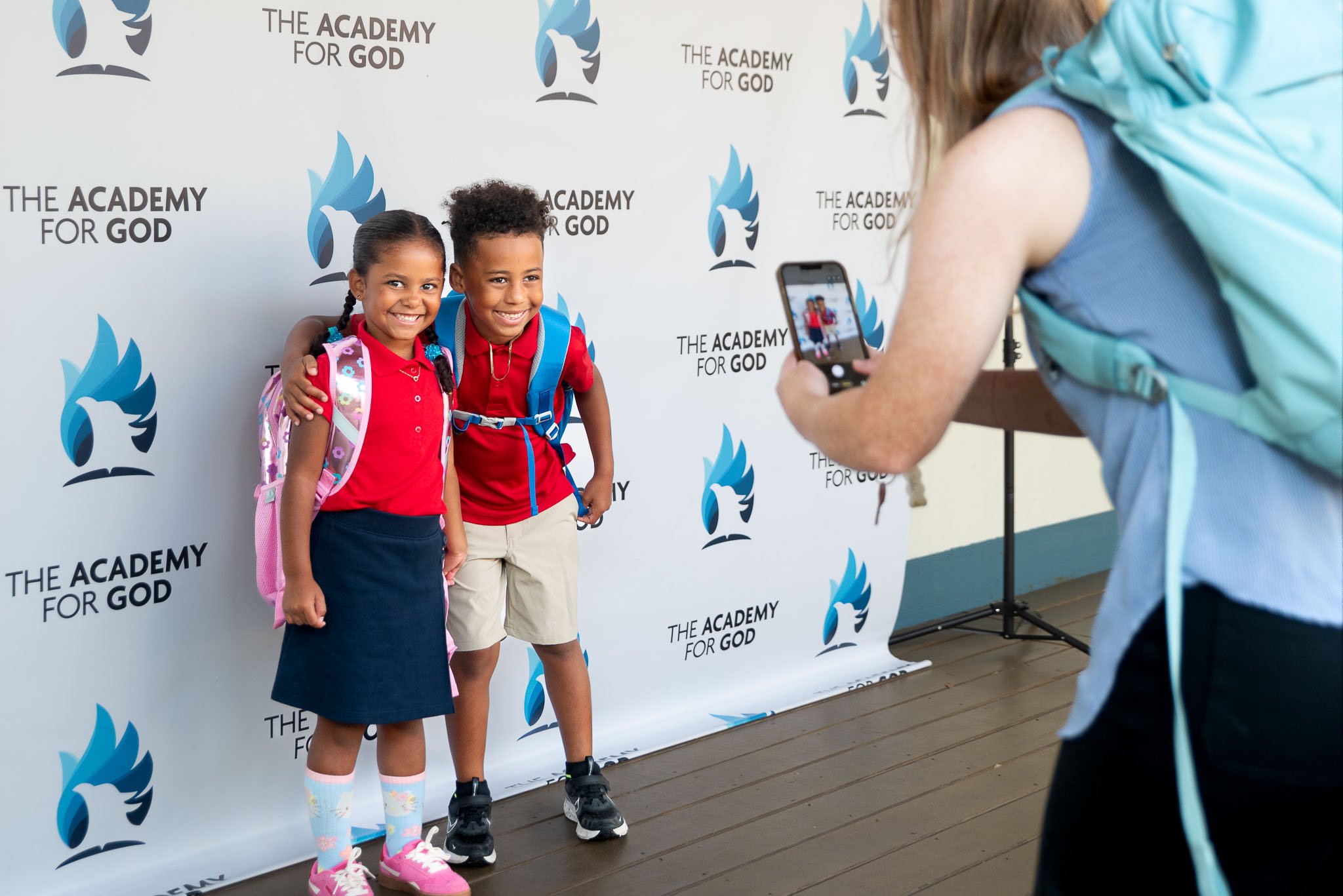
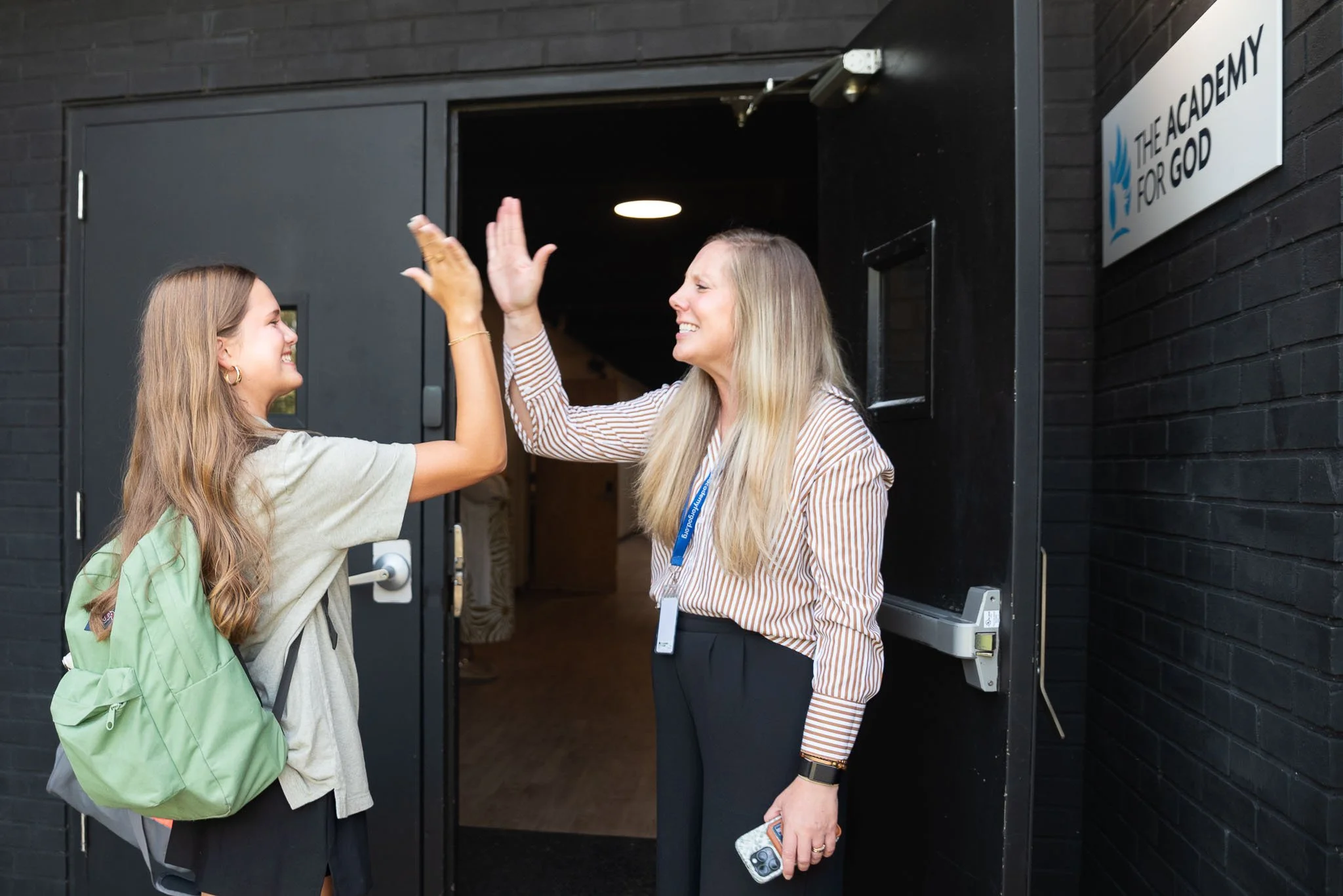
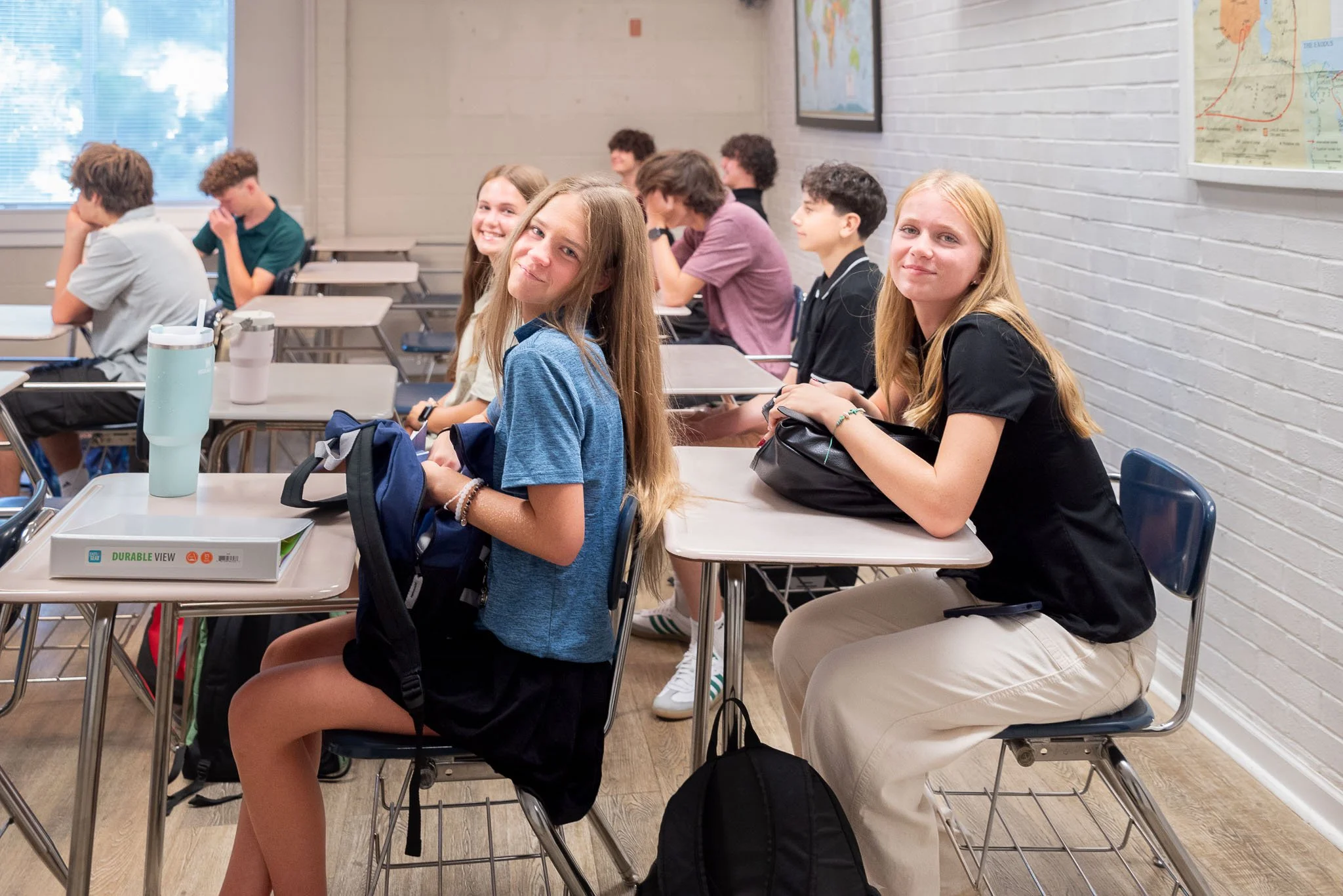
This month, the halls of The Academy for God came alive once again as we welcomed students, families, and staff back for our 14th year of educating students in faith, knowledge, and character.
Walking through our campus on the first day, you could feel the excitement in the air—new backpacks, fresh school supplies, and the joyful chatter of students reuniting with old friends and meeting new classmates. Our teachers and staff spent the summer preparing classrooms, learning new curriculum, and praying over the year ahead.
Fourteen years is a milestone worth celebrating. It represents fourteen years of students who have gone on to become leaders, servants, and faithful members of their communities. It represents fourteen years of partnership with parents who trust us with their children's education and spiritual formation. And it represents fourteen years of God's faithfulness in sustaining and growing this school beyond what any of us could have imagined at the start.
We are so grateful for our students, families, teachers, and staff who make this school what it is. Here's to another year of learning, growing, and honoring God together. Welcome back, Academy for God family—Year 14 has officially begun!



Inaugural Class Commencement
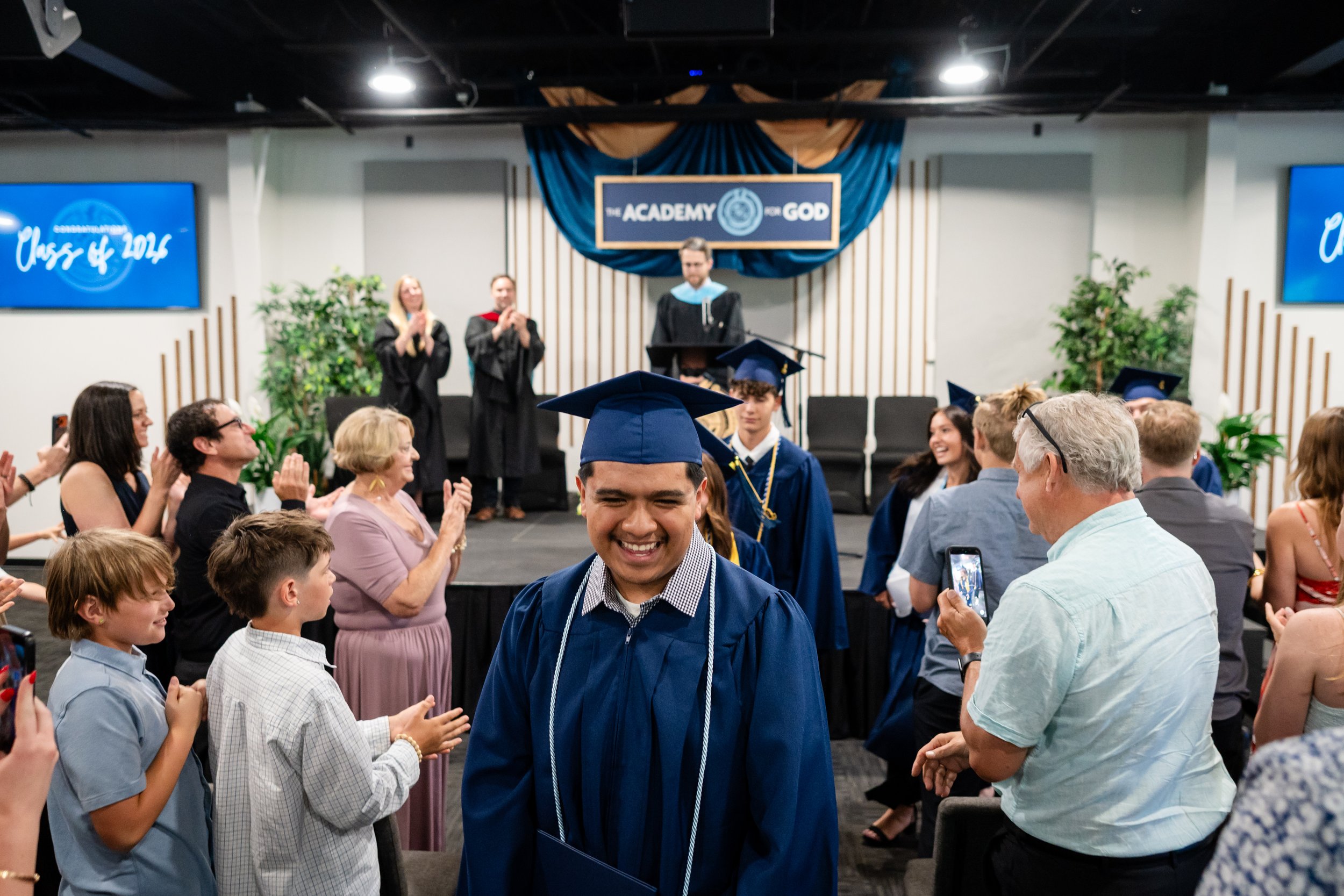
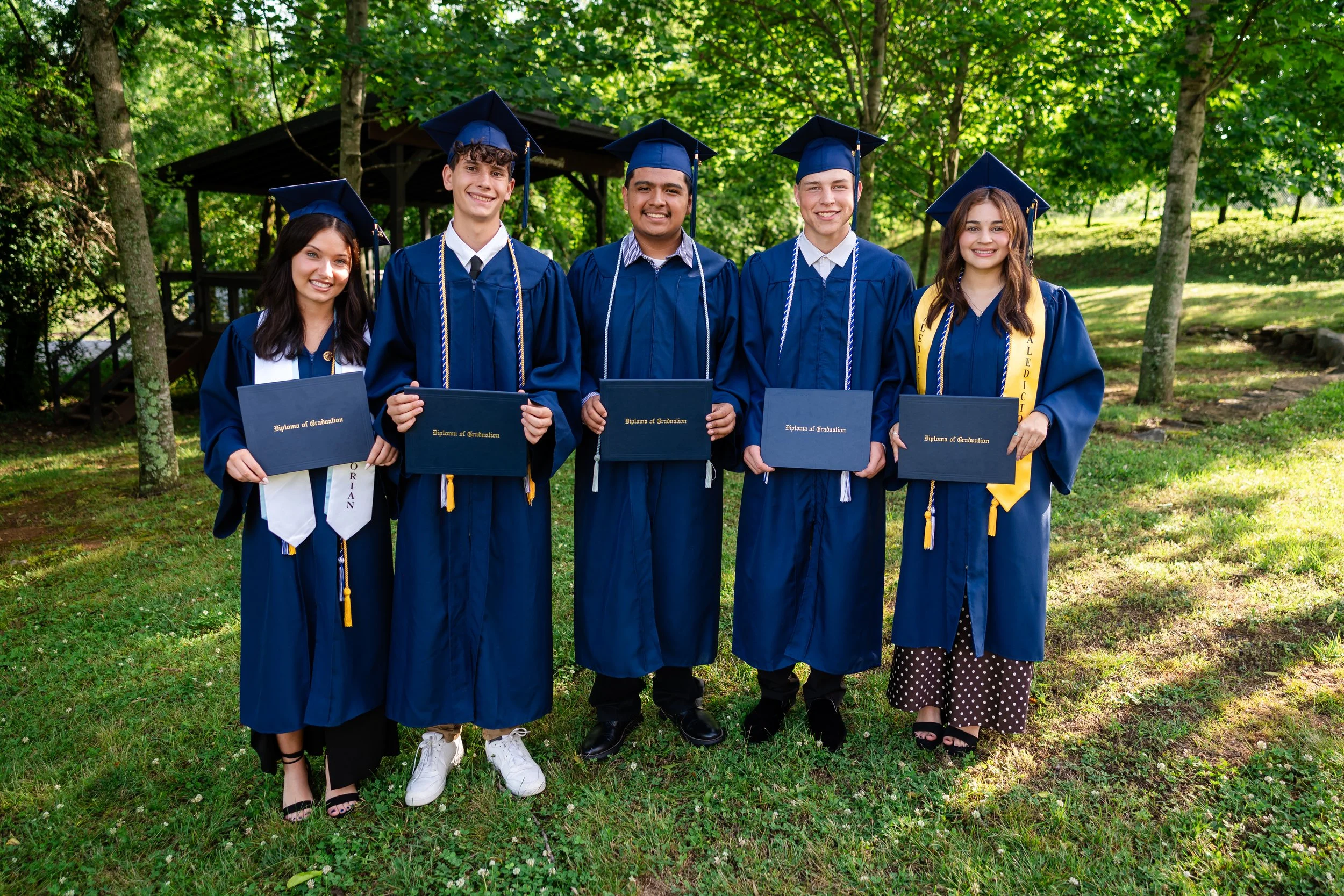
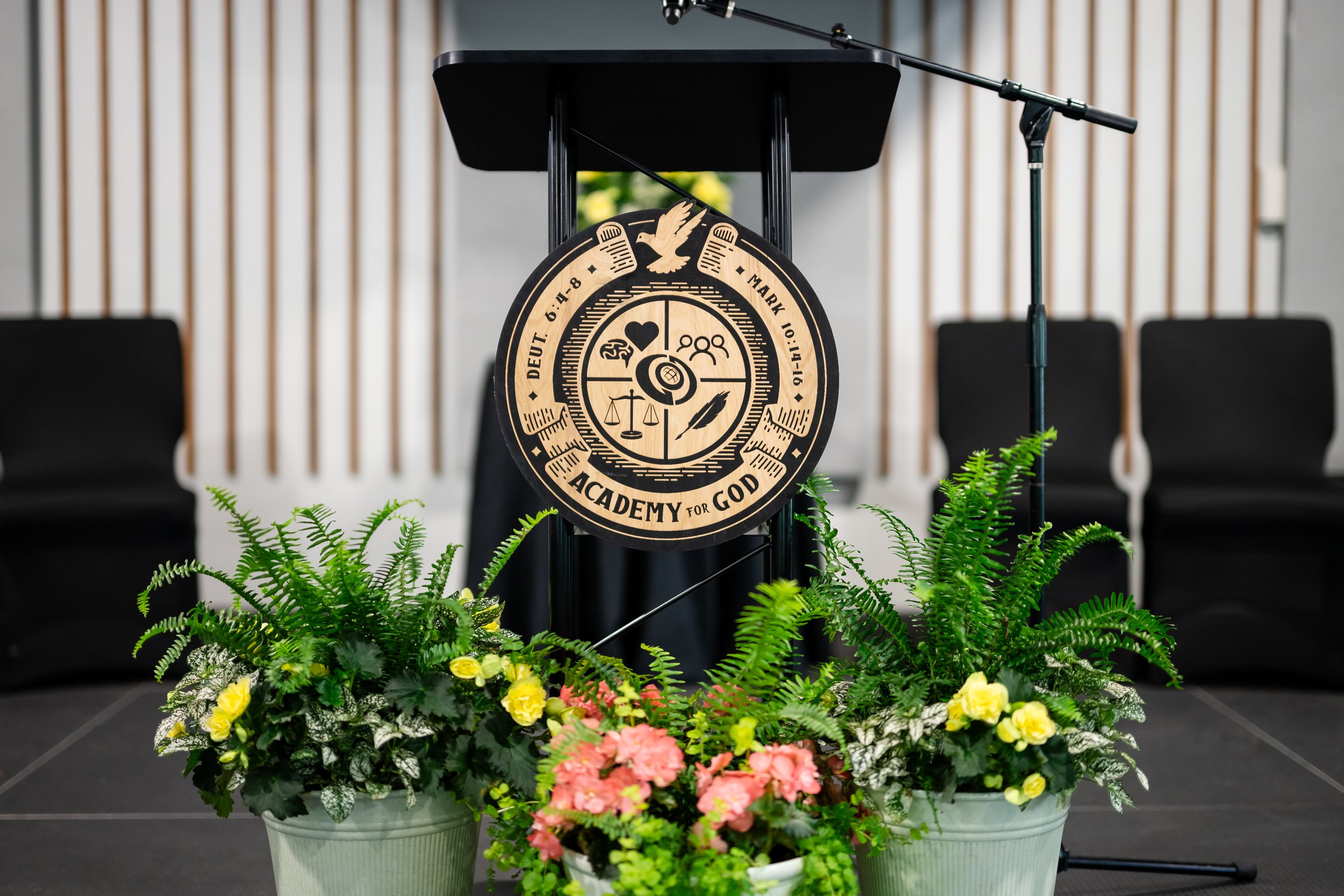
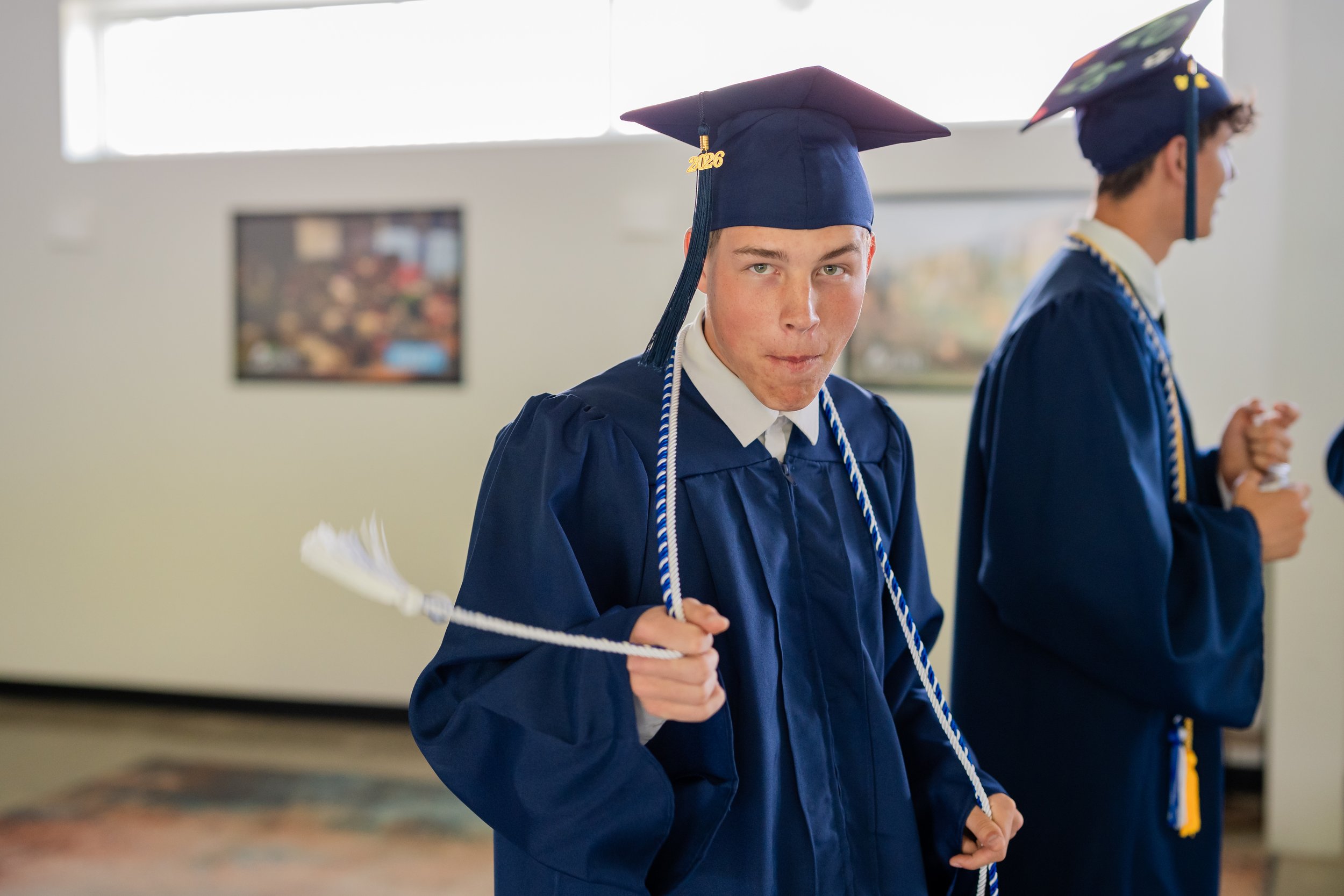
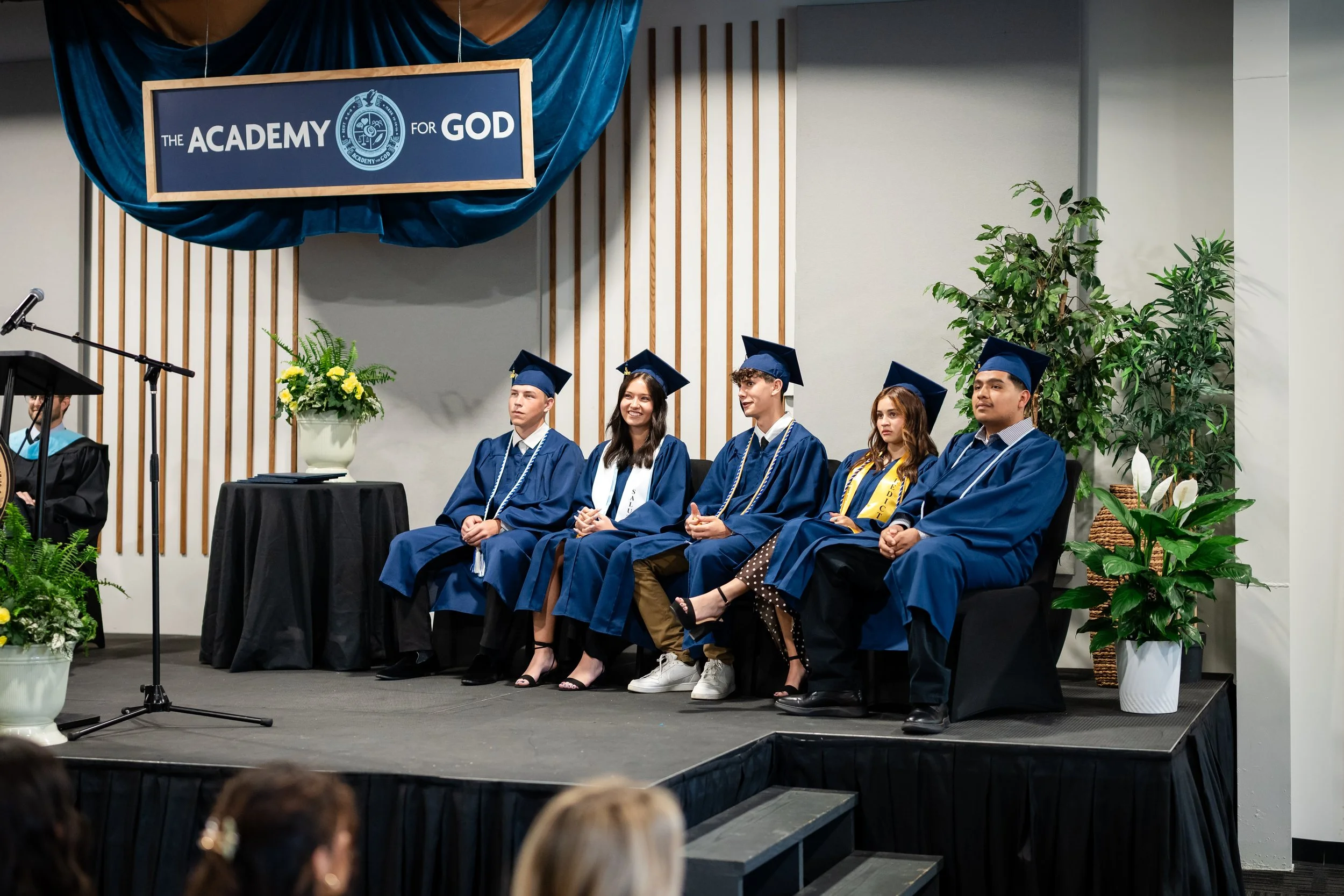
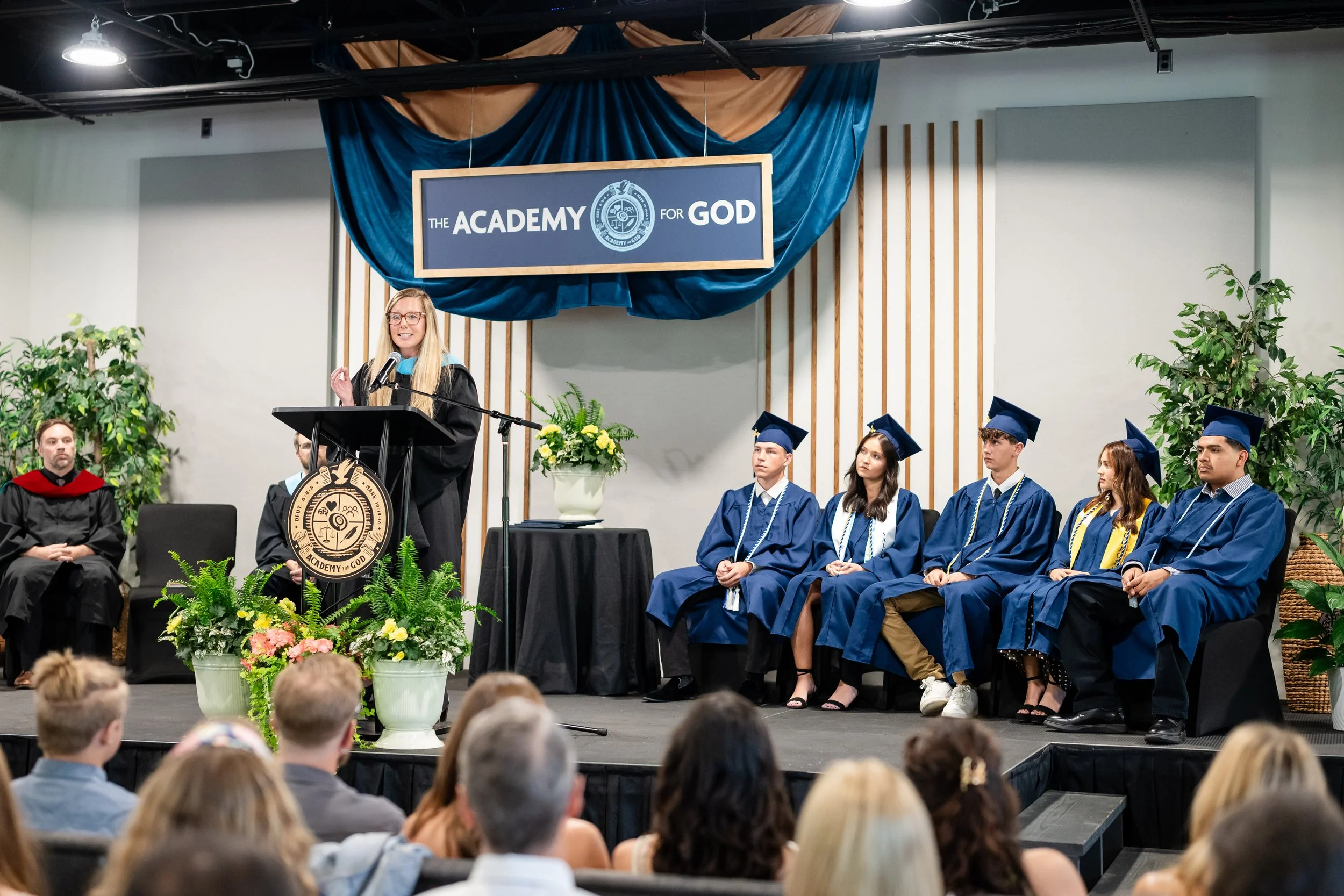
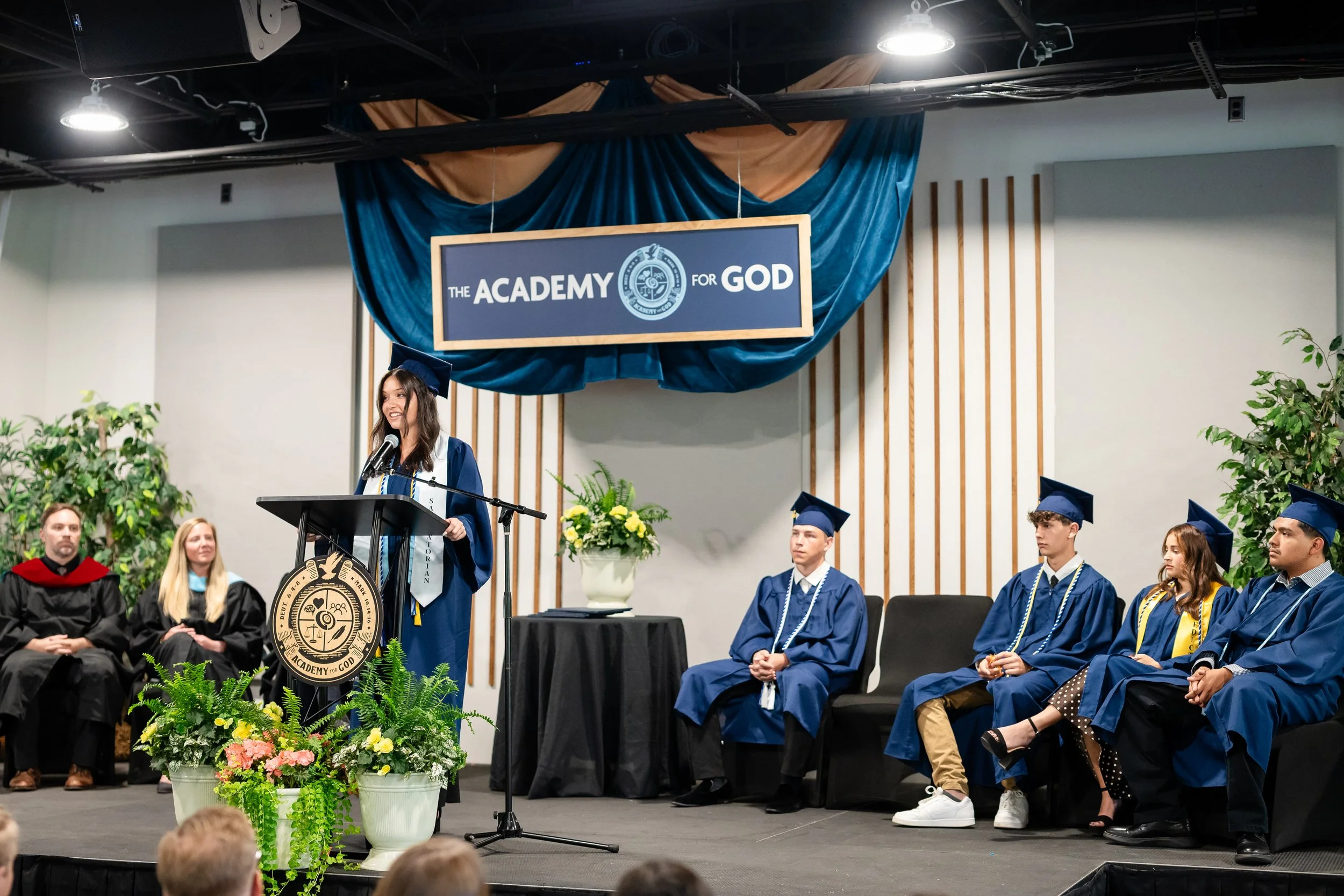
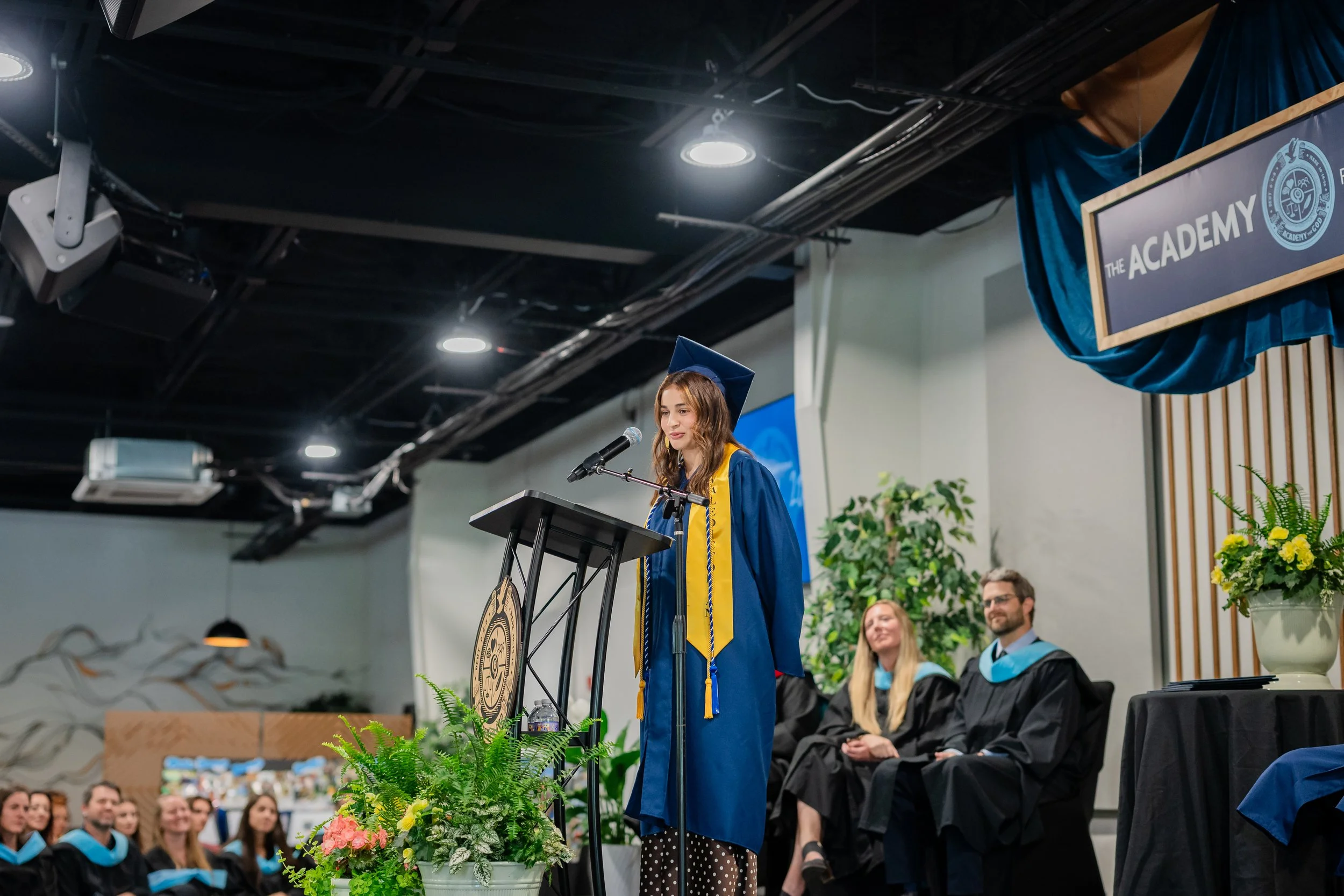
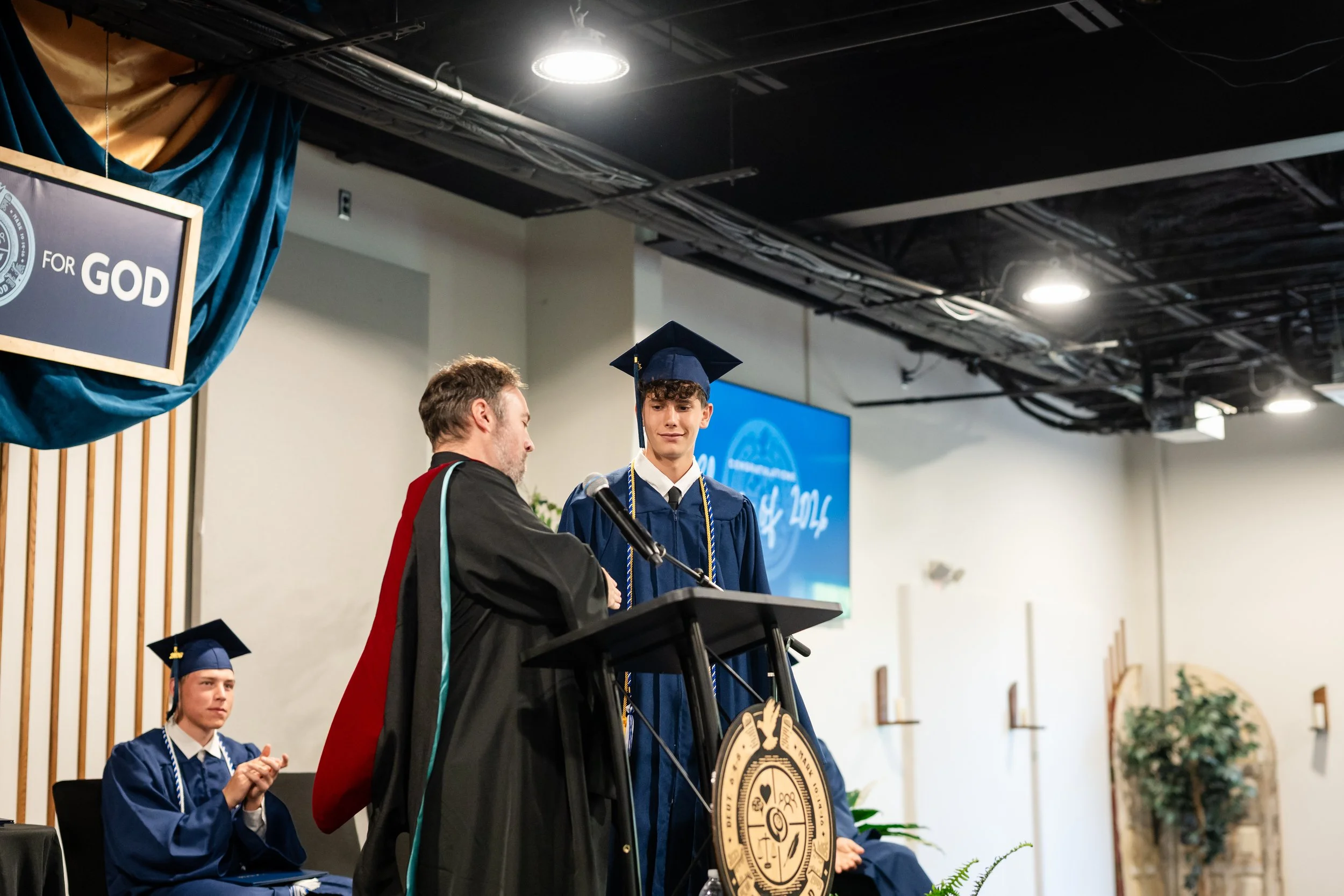
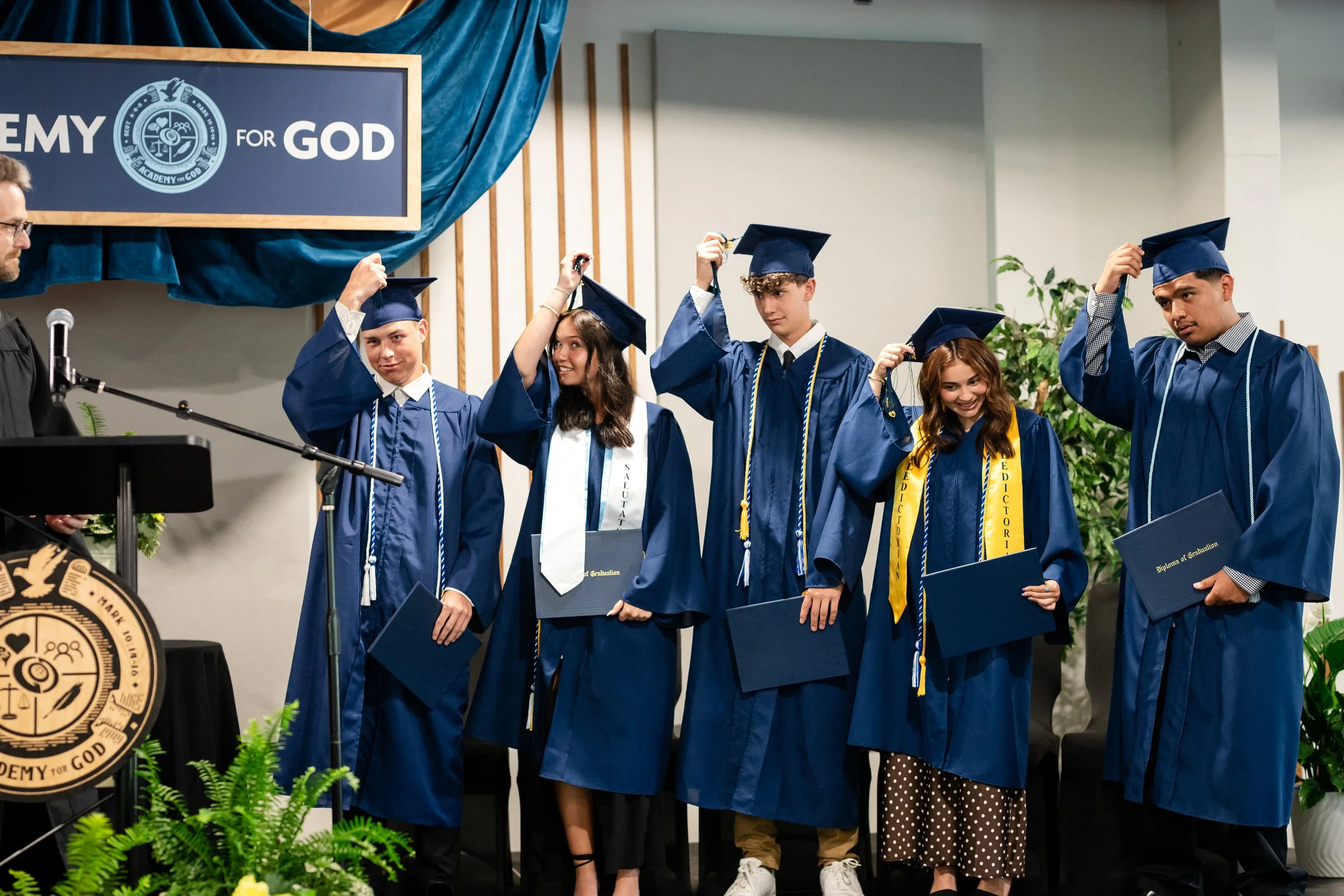
The Academy for GOD proudly celebrates a historic milestone this spring as we honored the Class of 2026—our inaugural graduating class.
This group of students began their journey with us in Kindergarten during our very first year in 2013. As The Academy has grown and evolved over the past thirteen years, these students have grown alongside us, helping to shape the culture and spirit of our school community. They have participated in countless lessons, events, field trips, performances, competitions, and memories that have become part of The Academy's story.
In addition, three of our remote learners also participated in our 2026 commencement ceremony. One student joined us to walk the stage while the other two live-streamed the ceremony from Uganda.
As we celebrate this special achievement, we congratulate the Class of 2026 and pray God's continued blessings over each graduate as they step into the next chapter of life.


An Open Letter Regarding Claims About Our Community
In recent months our community has been confronting the misconduct of a former leader. This has been a deeply difficult and disorienting season for many people connected to this community.
When allegations were brought forward, our leadership confronted these issues which led to his resignation. We then engaged an independent investigative organization to examine both the allegations and the practices of our ministries. At the same time, our community has been doing the biblical work of repentance—honest self-examination, reflection, and soul-searching about our life and practices.
Unfortunately, accusations from the godisacult website and socials have often made that healing harder. Individuals who had no role in any alleged wrongdoing—including students, employees, families, and neighbors—have been publicly criticized or misrepresented simply because of their association, however slight.
Victims deserve dignity and privacy. Students deserve the ability to pursue their education without being treated as villains. Families and employees deserve to live and work without being targeted for public hostility.
Those attempting to define the public narrative about this community through social media have had absolutely no relationship in recent years and had only brief and limited contact with the ministry many years ago. They did not participate in membership, attended our schools only briefly, and were not part of the leadership or accountability structures of this community. While anyone may share personal experiences, presenting such limited involvement as insider knowledge is misleading.
Journalists covering these events play an important role in examining institutions and asking difficult questions, and we remain willing to engage with responsible reporting. Professional standards of journalism call for treating information from unofficial websites and social media with skepticism and independently corroborating claims before repeating them. That standard applies to claims originating from disreputable and misguided websites and social media sites.
Truth matters. Accountability matters. Basic human dignity matters as well. The pursuit of truth should not come at the cost of dehumanizing the very people whose lives have already been terribly affected, including damaging individuals’ ability to make a living or choose their place of worship.
Our community will continue the difficult work of truth, accountability, and rebuilding. We ask that you give us the space and dignity to do so.