


Exploring Solutions for Global Issues
As high school students learn about major global issues for their generation, they seek to find solutions to the issue on a smaller scale using tools from their STEM courses.
Written by Mrs. Rachel Hartnell, Lead Teacher

Students recorded the particulate matter collected from the air before and after their experiments to identify the effectiveness of their design. Particulate matter is too small to see by the naked eye making it the perfect size for us to breathe in!
This semester, our high school students were challenged to consider current global issues and design solutions for how to address these problems according to the word of God. In the Lab Science class, high school students have learned the process of research, experimental design, and data analysis. Utilizing these universally applicable skills, they were given various case studies on major environmental issues that are affecting their generation. After learning about negative outcomes to people both in the third world and here in the United States, they researched sustainable solutions and designed experiments in groups to prove a solution’s viability. Each lab group produced their own unique solution and competed with the other groups to see who had the most effective outcome.
The most recent environmental issue they addressed was air quality by looking at how air pollution has contributed to the spread of disease globally. Based on their research, students designed experiments to decrease indoor air particulate matter in order to slow the spread of bacteria and viruses. One group experimented with decreasing possible particulate carriers or emissions. Another group looked into how to make consideration for ventilation using dry ice. Others designed experiments that tested natural methods for air purification and the effects of plant life on reducing air particulates. Each experiment reduced the level of air particulates, and the group testing plant life reduced particulate matter by 100%.
After each unit, when students analyse and share their success, we celebrate as a class. We take some time to dream of all the ways we as a people of God can come up with biblically rooted, ethical responses to the issues that exist today. Students are inspired and ready to tackle the next issue presented to them!

The Legacy Talent Show
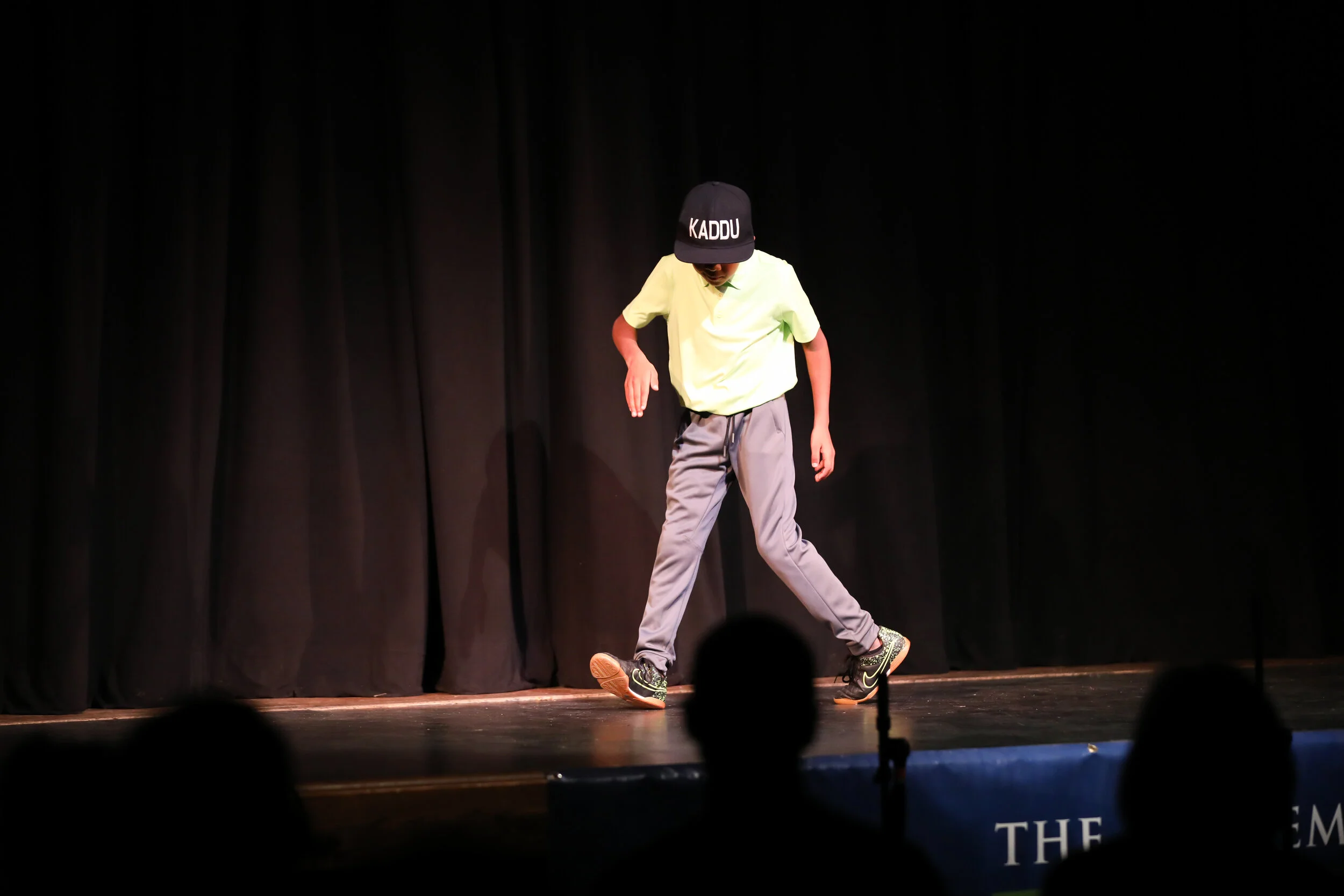
in honor of their grandparents, our students took the stage to showcase their creativity and talents. The night was a blessing to all who viewed live and online!
This past Saturday evening, 23 students from Kindergarten to 12th grade took the stage to dedicate the most sincere, heartfelt productions to some of The Academy’s dearest supporters: our students’ grandparents. From original songs and dances to martial arts and comedy acts, our students left the audience laughing, crying, and rejoicing over what they saw.
What did they see on the stage? One of our judges and a two-time Dove Music Award winner, Meredith Andrews, said it best: “This is more than a talent show. This is the heart of God on display!”

At the end of the night, each performer received a superlative award for their act. Sharing this moment of celebration was a highlight of the show!
The show’s theme was “Legacy”, which became a moving and emotion-filled thread throughout the night. Students expressed how their acts were inspired by their parents or grandparents. Others shared how their grandparents passed down a special talent to them that they in turn wanted to share with others. Two of our senior students even wrote a song for the Academy students coming up behind them, reminding them to practice what they learn in God’s Word because there is a world in need waiting for them. Each performer walked off the stage at the end of the night with a superlative in hand; an award given to them by the judges that distinguished their act above all the rest.
The Legacy Talent Show would not have been possible without the selfless service of our PTO and parent volunteers as well as our tech crew, made up of Academy high school students! In light of our month-long Legacy Campaign, our students have been learning what it means to receive and to leave a legacy. As the campaign highlights the Academy’s scholarship program, our students recognize they are receiving the gift of a Christ-centered education, and in turn are becoming equipped to bear the fruit of good works in the world. This was the inheritance on display during our Legacy Talent Show!
There’s still time to give towards the Academy’s Legacy Campaign! If you’d like to give the gift of a holistic, biblical education to students in the United States and around the world, we invite you to join us and thank you for your generosity!




Traditional Art Inspired by Mexico
Written By Elementary Teacher, Ms. Laura Voight
Alebrijes are a form of traditional art from the state of Oaxaca, Mexico. You have likely seen them in the popular Disney movie, Coco. While they were not highlighted within the movie, they are shown and explained as a part of the culture in southern Mexico and an important aspect to the holiday, Día de los Muertos. Known for the vibrant colors and unique patterns, they are exquisite pieces of art.

The alebrijes project was an opportunity for students to connect with the people of Mexico through a form of visual arts.
This project also provided the perfect opportunity for the Focus Level to “get their hands dirty” with an art project in their Principles of Design I class. The first two principles that the class learn about were contrast and pattern, two essential components of alebrijes. Since a part of the mission at the Academy for G.O.D. is to raise up a generation of children who are globally conscious, this was also the perfect opportunity to examine and imitate art from a foreign culture. The class learned about the history of alebrijes and how they are tied to the native Zapotec roots of Mexico. These designs are similar in style to Mayan and Aztec artistry.
The students set out on a journey to create their own alebrijes - only they would not be carving wood as the traditional sculptures are made. After learning about the symbolism behind animals used in the traditional Oaxacan art, they used newspaper, cardboard, paper towel rolls, and finally, paper mâché to make their sculptures. This alone was a week long process. Students learned how to use their hands to form what their minds imagined. They had to be resourceful with the materials given to them and persevere through the inevitable phase of art creation where you’re just not sure what, exactly you have created. In the end, the students themselves were surprised with their work! They were proud of their creations and several of them admitted to having created something that they liked very much, despite their conviction in the middle of the project that they had somehow created the ugliest art imaginable.
In the end, the students were able to connect to the people of Oaxaca through their endurance of artwork that did not come easy. Just as the artists in Oaxaca take time to carefully carve their animals from wood, the students had to mold and re-mold their animals with paper and cardboard. They had to recall their lessons on contrast and pattern and incorporate the traditional patterns used in alebrijes. They learned to not only craft a form of art that was not initially appealing to their eyes, so used to soft colors and open spaces, but to appreciate it as well. By then end of the unit, each student was excited to take home their piece and show their families what they had learned.


Building Unity through Collaborative Visual Arts
Ms. Foster’s Mixed Media class completes a project that required not only academic rigor, but also the values of unity and trust among the students!
By Ms. Corey Foster, Deputy Headmaster
Large scale city murals seen around the world often include a team of people to accomplish the design of one or more artists. This type of undertaking requires teamwork revolving around a shared mission, collaboration on process, clear communication, honesty, and trust. I wanted my 7th grade Mixed Media students to experience this during the first month of school. Here’s what happened...
On the first day of our academic class schedule in August, I gave students the following prompt:
Today, you will be starting a month-long project that will stretch you. The success of this project will only be achieved on the other side of intentional teamwork. You will be creating one collaborative class mural from start to finish and each student will contribute a portion of the work. While this project will help you review the elements and principles of design and teach you layer painting skills, the most valuable lessons will be connected to your unity as classmates.
With a combination of excitement and nerves to begin the project, I encouraged students with verses from Psalms 133:1, “Behold, how good and pleasant it is when brothers and sisters dwell in unity!” and 1 Corinthians 12:12, which highlights the body having many members. These verses don’t say “you will always agree all the time” or “everyone has the exact same task/responsibility”, but instead speak to a unity that can come from agreeing to work together and acknowledging that everyone is valuable as they bring different gifts to the group.

Camden’s original design won the competition!
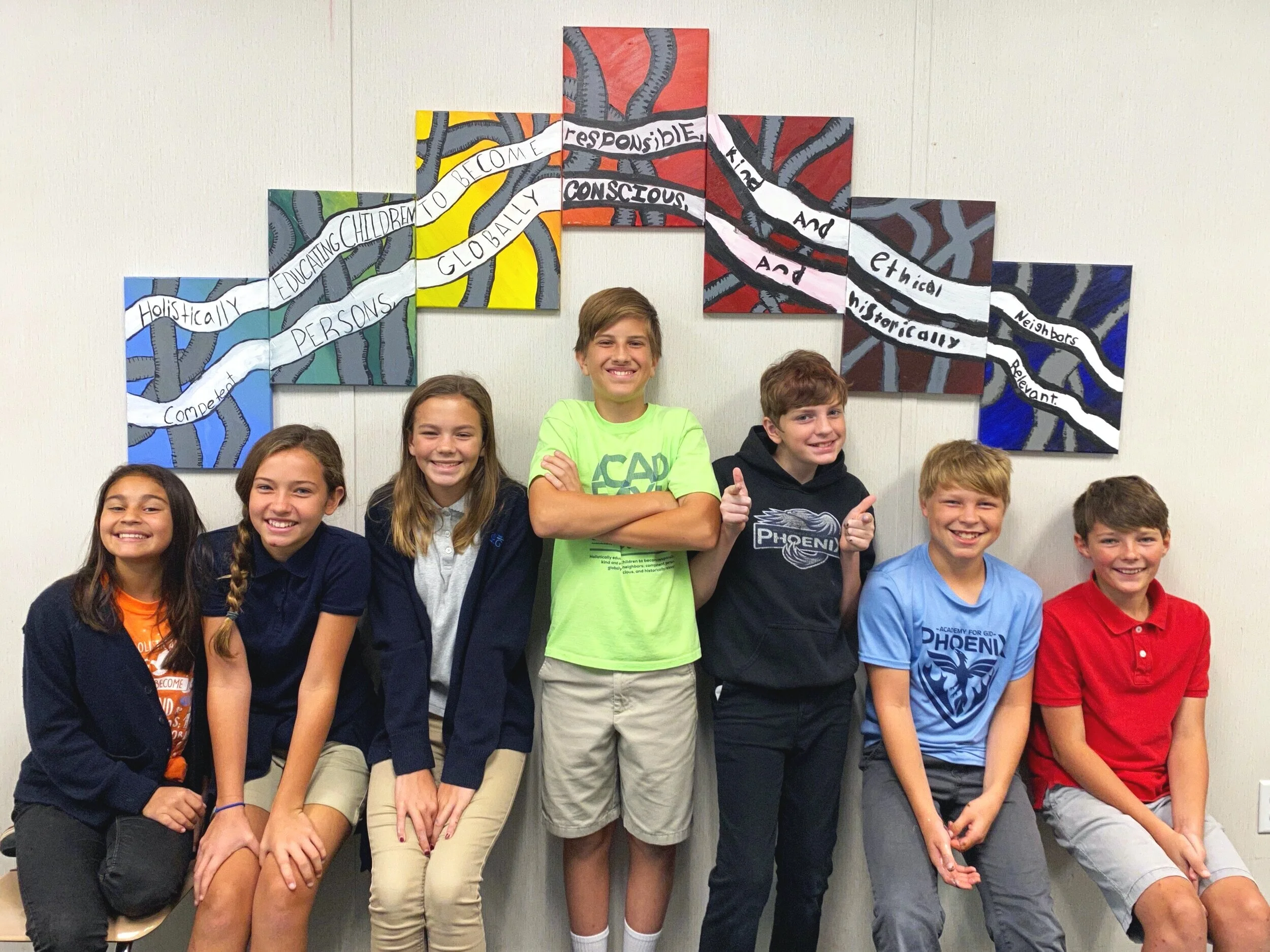
Over the next 4 weeks, this group of 7th graders set out and accomplished their own mural project together. First, they chose to develop a design that incorporated the Academy for G.O.D. mission statement, something they are all committed to, which states: “Holistically educating children to become responsible, kind and ethical neighbors; competent persons, globally conscious and historically relevant.” From that initial idea, each student developed a design that was up for consideration (see photo for winning design). After the project was finished, Josie wrote, “We were all pretty anxious about finishing and making sure it looked good because the design looked really hard to replicate. We had to focus and listen to get things right, but we all finished and it looks great!”
Each workshop following was filled with students making suggestions, sharing their honest thoughts, working through conflict about preferences or skill sets, and making decisions together. While each student received their own canvas, each student was also accountable to the others as each canvas connected very purposefully to the ones on either side. Rollercoasters of emotions were seen, heard, and felt. From frustration to happiness and worry to amazement, students endured through emotions and as Audrey put it, “my friends helped direct me in this, and we helped each other to connect our [background] colors.”


TL & TR: Paying attention to fonts and details
BL: Measuring for accurate design layers and display
BR: Determining colors, coloring mixing and discussing how each canvas blends into the next
Appreciation for the opportunity to learn, one of the three overarching school rules at the Academy, doesn’t just include taking in academic information. It means showing appreciation in all the moments of learning related to all aspects of our holistic education: academic, social, emotional, ethical, and spiritual. These students put this value into practice holistically as they navigated this project.
In reflection of the entire experience, Camden said, “I like what we made. And something I learned was to always listen to everybody’s ideas.” Though not all ideas were used, the ability to share and hear perspectives, and choose the best route together made all the difference in their success. Speaking to a similar idea of valuing everyones’ voices and skills, Sophia wrote, “I got to learn how each of my classmates think through certain things. I got to understand who in my class is better at what, like drawing, measuring things, outlining, etc. This helped me learn my classmates more and even grow a closer bond with each of them.” What a gift for a group of Jr. High students!

The final collaborative mural hanging in the 7th grade classroom with all the smiles following a job well done!

How Academy Online Isn't Your Typical Online School
Academy Online takes the virtual classroom to a new level with assignments and projects that allow to students to be active, exercise creativity, and enjoy the process of learning. Check out some of our favorite submissions from this spring!
That’s a wrap on our 2019-2020 school year, and with the fourth quarter held fully online, our students adjusted to a new way of learning in just a few weeks! We are proud to showcase some fun, quality projects our students completed over their final quarter. Enjoy!
One of our weekly themes was “Endurance”. Students were presented with a variety of assignments that required focus and perseverance to complete. We received a number of submissions that were creative and inspiring. Check out this “trick shot challenge” from one of our elementary students, where they were to set up a challenging shot and practice endurance until they succeeded at the shot.
The shift to online learning meant exponential opportunities to practice technology! Elementary students learned the ins and outs of iPad apps like iMovie, while learning practical skills like how do laundry! In one Creative Arts course, students created step-by-step presentations to teach others how to properly wash laundry. This was one of our favorites!
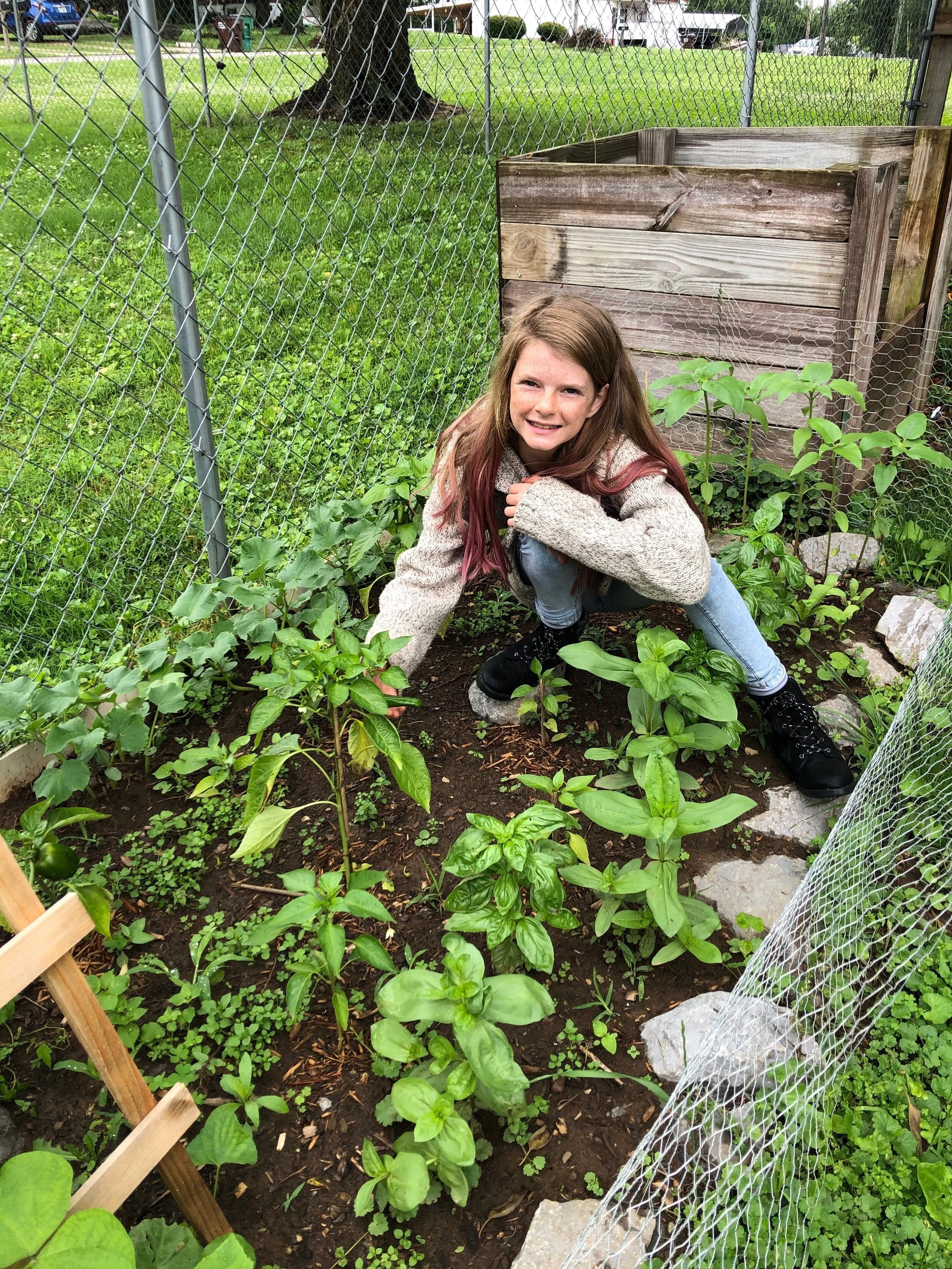
Our Jr High students’ backyard gardens are thriving! They’ve been applying what they learned in elementary gardening classes to manage pests with homemade organic sprays, and control weeds with mulching methods like cardboard and wood chips. Way to go students, we are so proud of you!


Also in Jr High, the Nutrition & Meal Prep class, emphasized skills such as proper knife grips, and how to work safely around heat in the kitchen. Their final project was to plan and execute a 3 course meal, documenting both how they used their skills, and the fellowship that was enjoyed on the other side of their efforts!
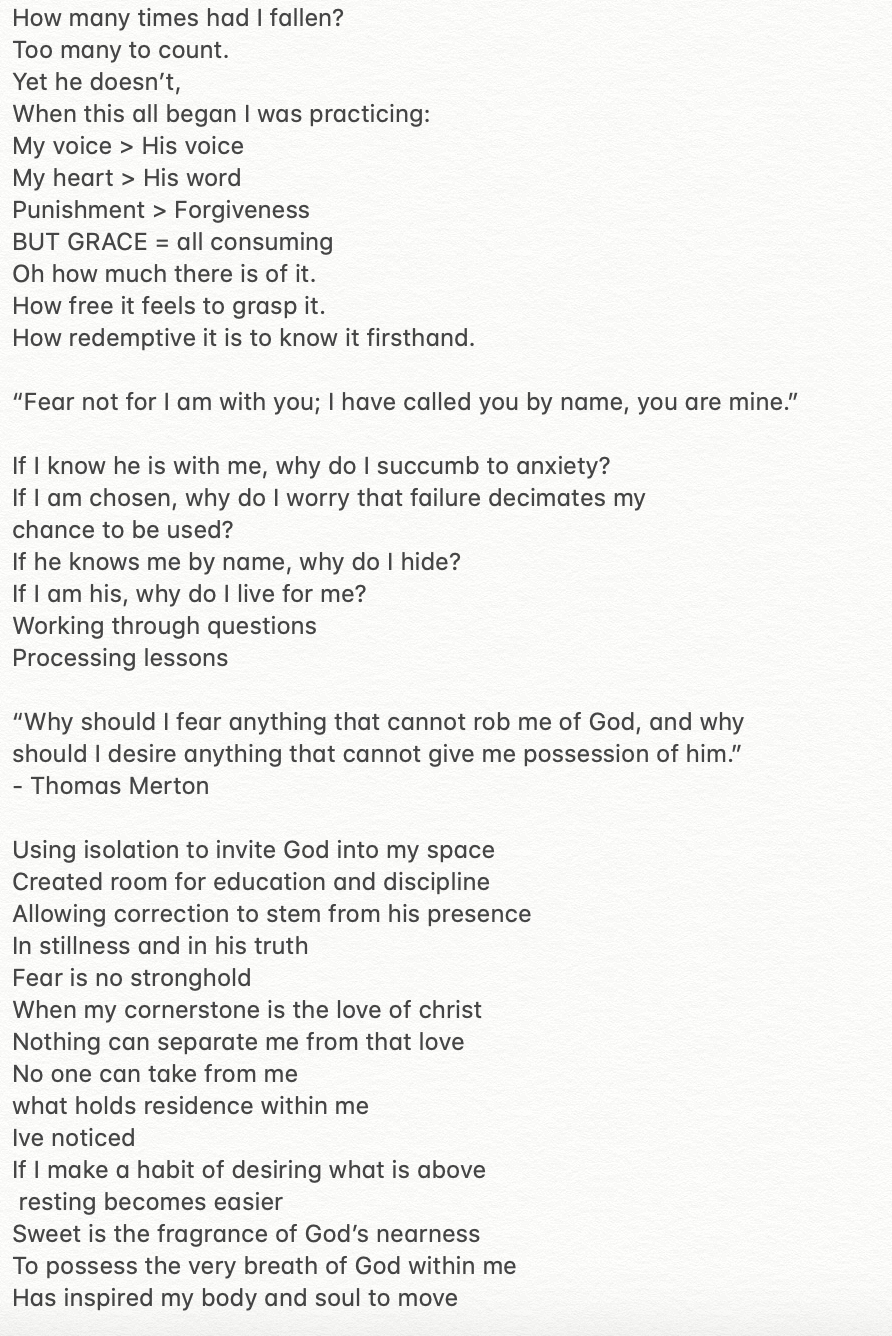
One of our high school students, Genesis, composed a poem in her Social Studies course reflecting on what they’ve learned in the class. It was a joy to see students creatively express themselves and the content they had processed through online modules.


“Life Hacks” was a favorite class with our younger elementary students. Teachers were intentional in embedding STEM skills (geometric shapes) and Language Arts skills (following and articulating step-by-step processes) into fun, creative projects.
In her 8th grade Project Development course, this Jr High student created a product called “No-Dough” to assist her in making bread and cleaning her supplies. This class trained students to create a product that met some need that they had, and could be marketable.


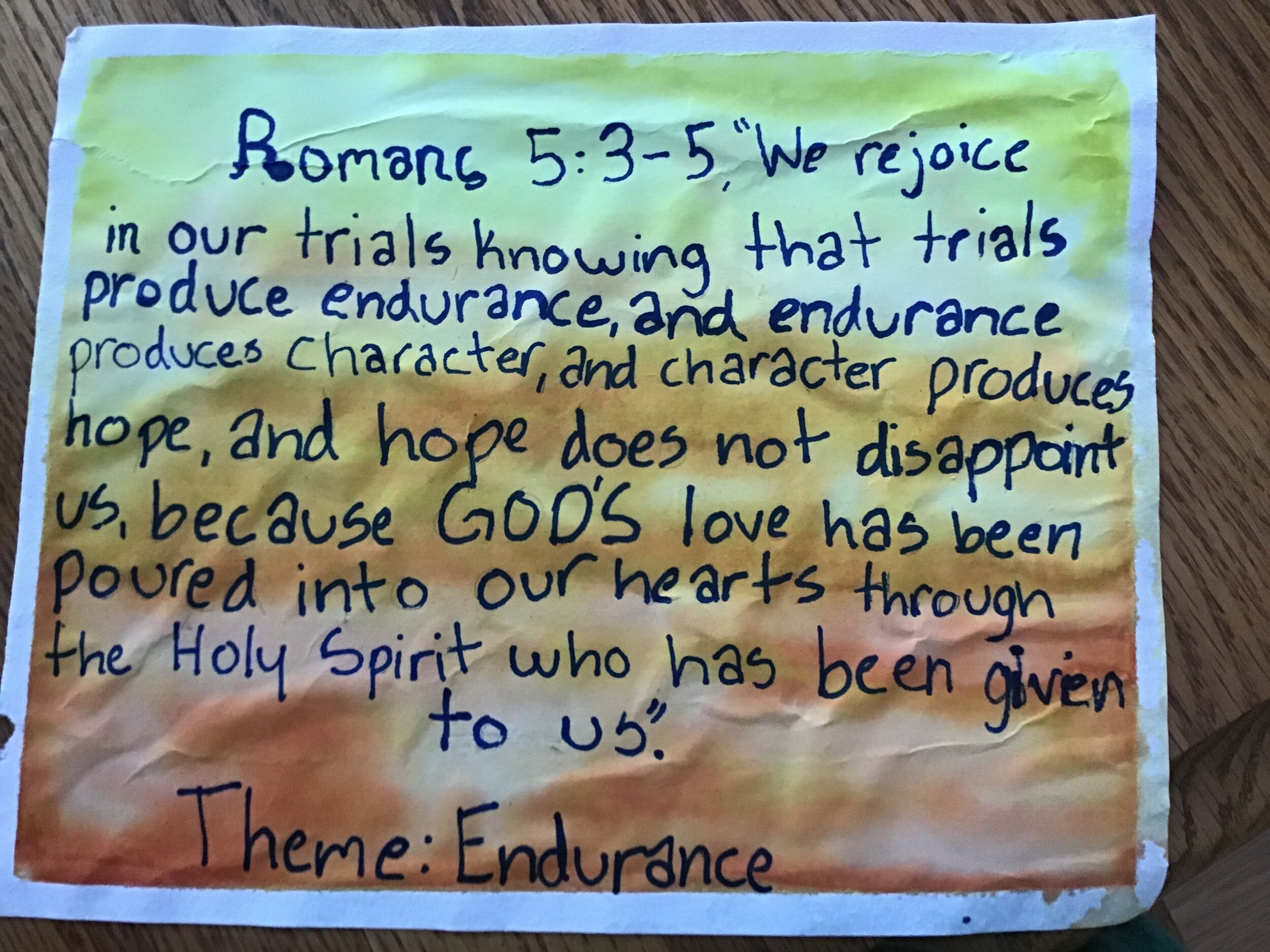
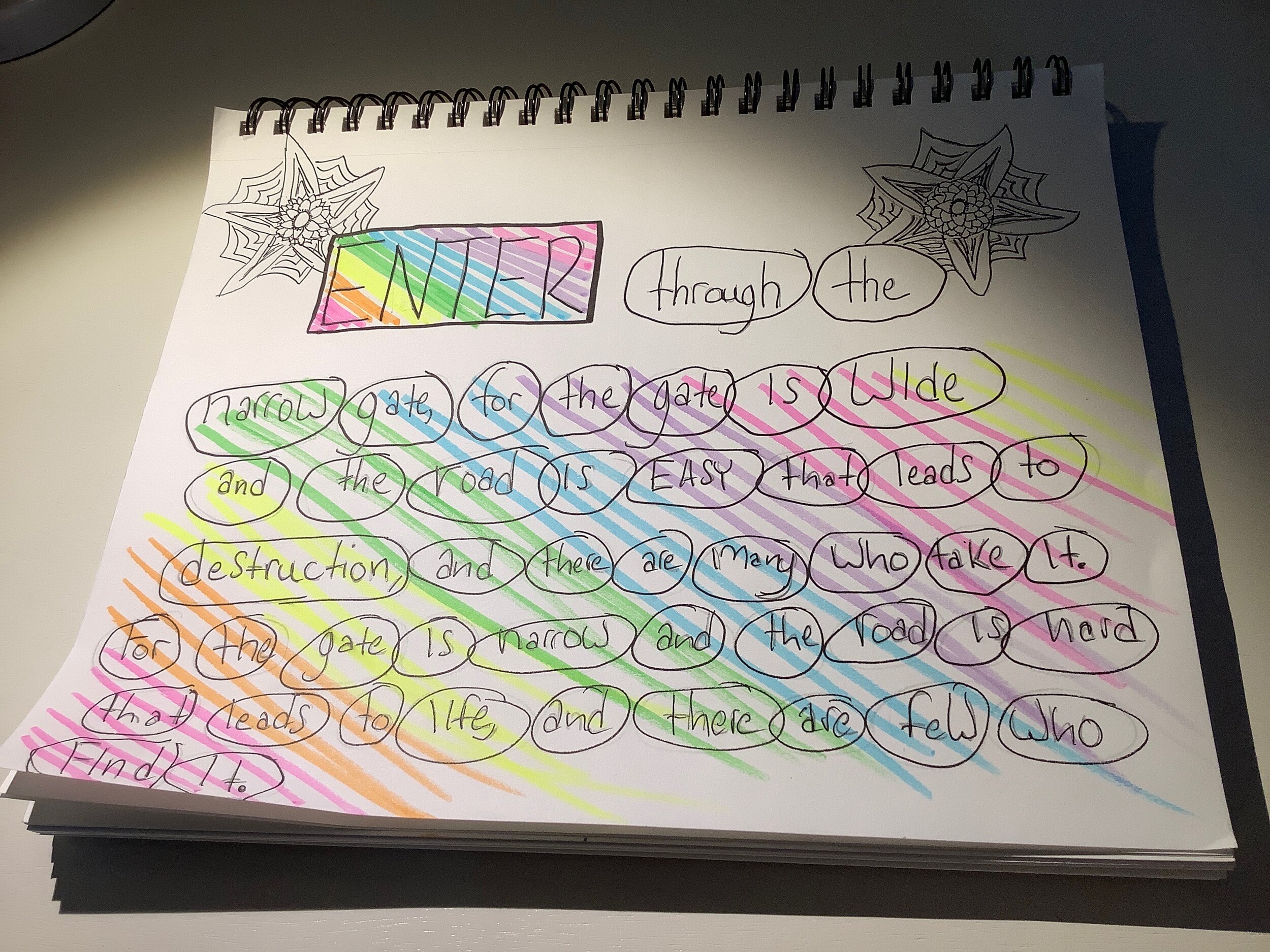
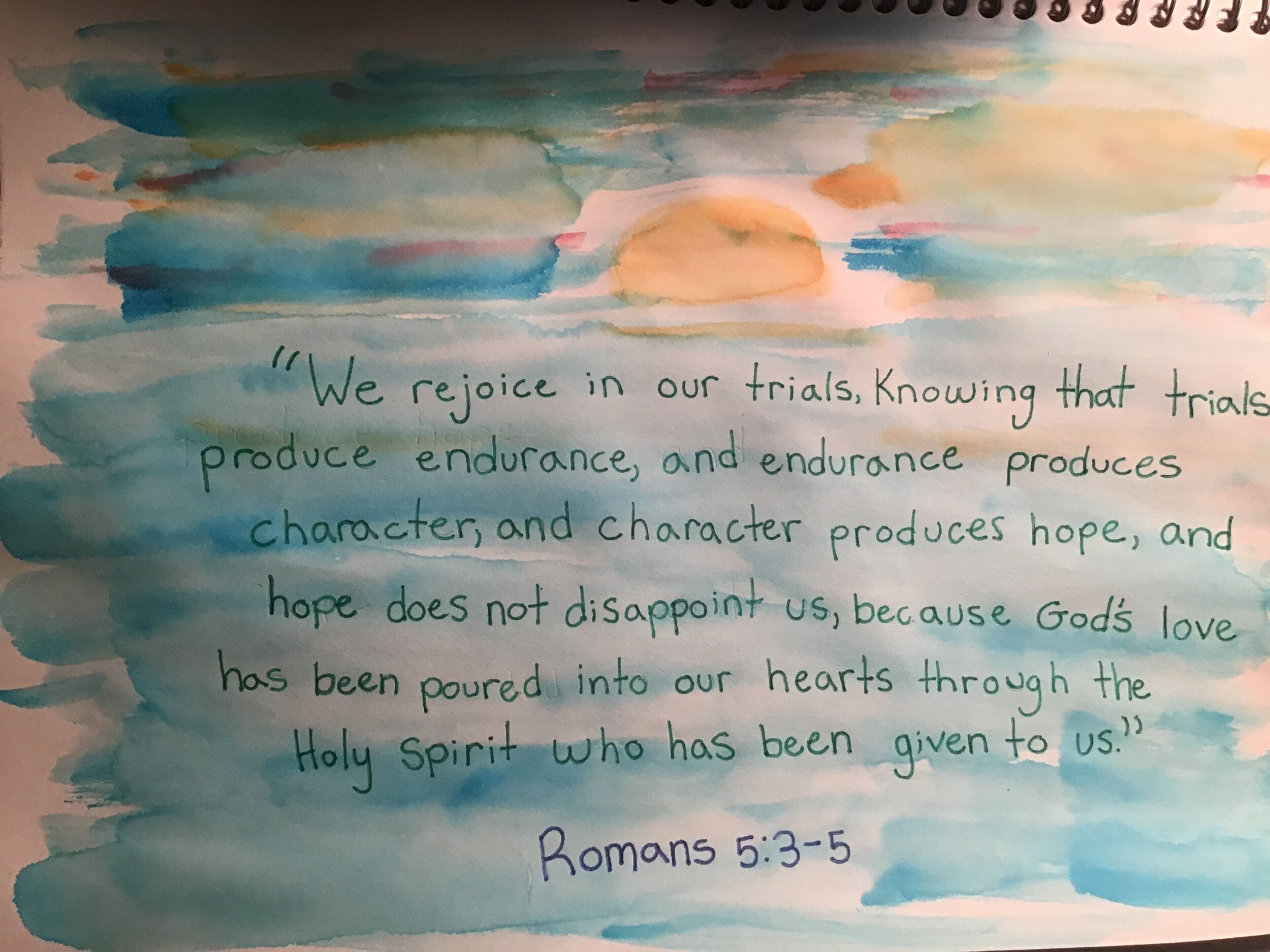
Memorizing and writing scripture is a component of our Language Arts courses. These are some submissions from elementary students!
This Jr High student did an excellent final project for his Visual Arts course! His video showcases the creation process.
And finally, this documentary by one of our upper elementary students blew her teachers away! The students were asked to use the videography and storytelling skills from the Documentary Making to produce a mini-documentary on a subject of their choice, something that was interesting and feasible to do within a 6-week period.