
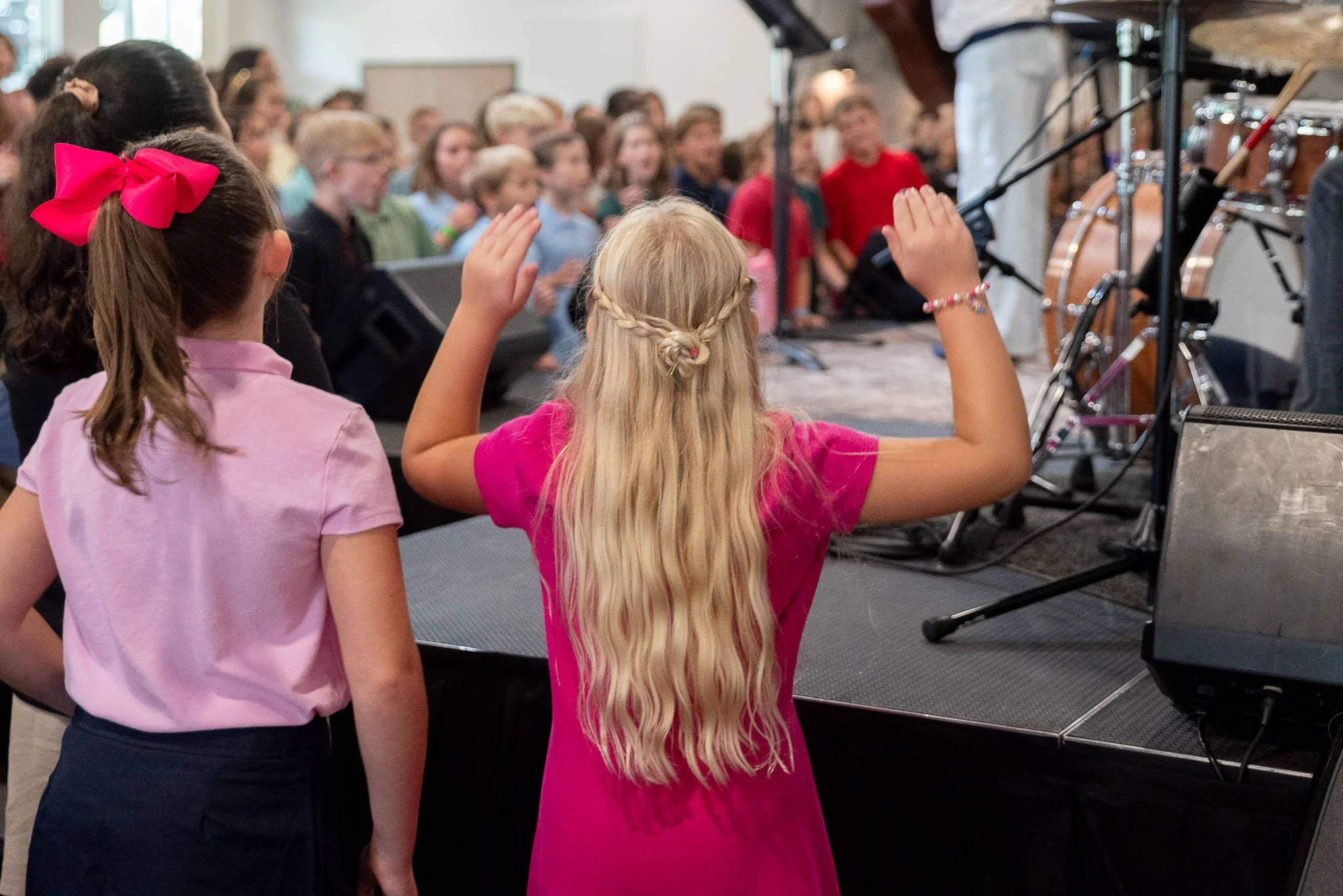


Take the Lid Off - No Grade Levels!
Elementary teacher, Ms. Vagatai, expounds on the Academy’s approach to grade levels, student progression and the future of education!
Written by elementary teacher, Ms. Leafa Vagatai
“We don’t have grade levels in our school!” My sharp response to my students when I overhear them describing themselves as “second graders” (1).
I proceed to explain to them that our school is fluid because we create classes, activities, and content to meet their individual needs as they continue to grow.

Elementary students often complete assignments and projects with a partner or small group. Developing the ability to cooperate, share, and acknowledge one another’s abilities are skills gained at this age level.
“Everyone grows at a different pace in different disciplines and not everyone's the same. Instead of forcing everyone to be the same, we adjust ourselves.”
Cue the critic…
“C’mon, it’s all just semantics right? You’re a second grade teacher!”
No, I’m not and a comment like that is only indicative of a misunderstanding of the philosophy of the Academy and also what the goal of education should be: to holistically educate children, not manufacture them. Not only is this the future of education, but it is what’s desperately needed in education right now.
When the pandemic of Covid-19 hit, schools across the globe shut down and the concern for educators and administrators has been what to do about the inevitable learning gap (2). Remediation has always been a hot topic within education, but now it’s everyone’s problem as students are missing months, and soon to be years, of education on a global scale.

The fluidity offered between levels for students opens up opportunities for some students to be challenged to a greater extent while others gain the needed support in another level. Seeing students thrive in their level placement is a goal of our teachers!
Studies throughout the years have shown the impact that the disruption of school has on children for years to come. One article published by RISE program explained that even when Pakistani students were able to return 3 months after an earthquake in 2005, 4 years later were still 1.5 years behind in schooling, identifying a major contributor to that gap being an inflexible and unadaptable pedagogical practice (3).
So, what’s the solution to the impending learning chasm? It’s what we’ve been doing from the beginning of the Academy for G.O.D.; fluidity in curriculum and an individualized approach to a child’s education. Meeting children where they’re at and helping them to move forward. Remedial or not, this is education.

Fall 2021 Enrollment & Prospective Family Events
Sign up today for your tour this spring! Applications for campus and homeschool programs are now released. We look forward to meeting you!

Spring 2021 is the time to learn more about the Academy for G.O.D. through a tour or open house. We hope you’ll plan your visit today!
At the peak of the 2020 global lockdowns imposed to counter the spread of COVID-19, 1.6 billion children were out of school.(1) Families immediately began experiencing the effects of having to care for their children, facilitate virtual schooling (if available), and maintain their own jobs. Despite being mandated to close our campus in March 2020, Academy students remained connected to their teachers and classmates, and 100% of students finished the spring 2020 semester in full. As we’ve moved into the beginning of the spring 2021 semester, our campus is open with over 230 students enrolled on campus or online, and our programs are thriving!
Our faculty and staff are committed to the best practices to promote the health and safety of each individual on our campus each day. With policies and prevention plans in place, we will continue to keep our campus open. However, the Academy also continues to offer programs for homeschool families in the Nashville area, the United States at large, and international students. If you have questions about which program would be the best fit for your family, please reach out to our admissions department. We also invite you to visit our campus this spring and learn more about who we are. All guests must RSVP to attend events this spring, so don’t miss your opportunity to sign up today!

The Legacy Talent Show
in honor of their grandparents, our students took the stage to showcase their creativity and talents. The night was a blessing to all who viewed live and online!
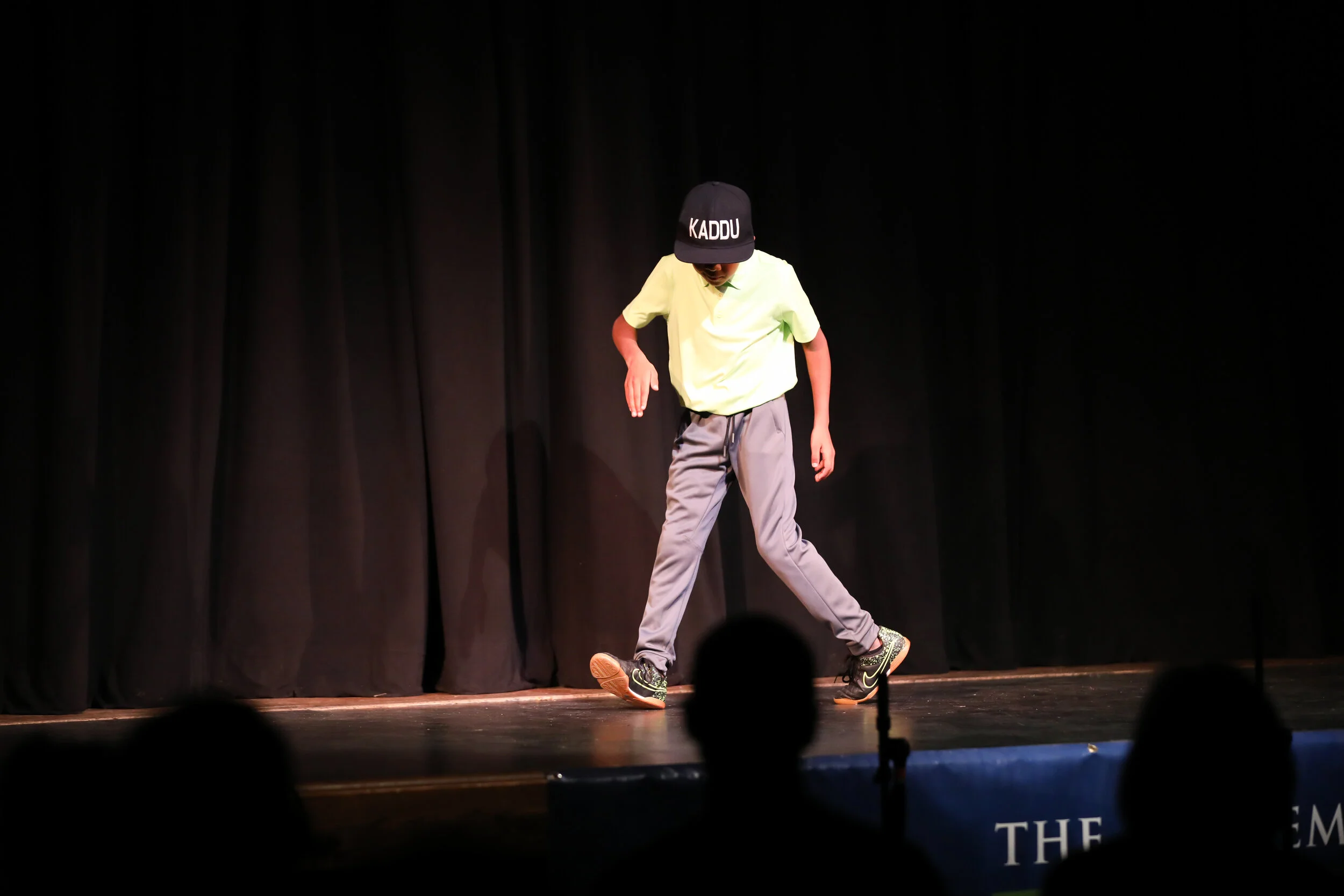
This past Saturday evening, 23 students from Kindergarten to 12th grade took the stage to dedicate the most sincere, heartfelt productions to some of The Academy’s dearest supporters: our students’ grandparents. From original songs and dances to martial arts and comedy acts, our students left the audience laughing, crying, and rejoicing over what they saw.
What did they see on the stage? One of our judges and a two-time Dove Music Award winner, Meredith Andrews, said it best: “This is more than a talent show. This is the heart of God on display!”

At the end of the night, each performer received a superlative award for their act. Sharing this moment of celebration was a highlight of the show!
The show’s theme was “Legacy”, which became a moving and emotion-filled thread throughout the night. Students expressed how their acts were inspired by their parents or grandparents. Others shared how their grandparents passed down a special talent to them that they in turn wanted to share with others. Two of our senior students even wrote a song for the Academy students coming up behind them, reminding them to practice what they learn in God’s Word because there is a world in need waiting for them. Each performer walked off the stage at the end of the night with a superlative in hand; an award given to them by the judges that distinguished their act above all the rest.
The Legacy Talent Show would not have been possible without the selfless service of our PTO and parent volunteers as well as our tech crew, made up of Academy high school students! In light of our month-long Legacy Campaign, our students have been learning what it means to receive and to leave a legacy. As the campaign highlights the Academy’s scholarship program, our students recognize they are receiving the gift of a Christ-centered education, and in turn are becoming equipped to bear the fruit of good works in the world. This was the inheritance on display during our Legacy Talent Show!
There’s still time to give towards the Academy’s Legacy Campaign! If you’d like to give the gift of a holistic, biblical education to students in the United States and around the world, we invite you to join us and thank you for your generosity!




Traditional Art Inspired by Mexico
Written By Elementary Teacher, Ms. Laura Voight
Alebrijes are a form of traditional art from the state of Oaxaca, Mexico. You have likely seen them in the popular Disney movie, Coco. While they were not highlighted within the movie, they are shown and explained as a part of the culture in southern Mexico and an important aspect to the holiday, Día de los Muertos. Known for the vibrant colors and unique patterns, they are exquisite pieces of art.

The alebrijes project was an opportunity for students to connect with the people of Mexico through a form of visual arts.
This project also provided the perfect opportunity for the Focus Level to “get their hands dirty” with an art project in their Principles of Design I class. The first two principles that the class learn about were contrast and pattern, two essential components of alebrijes. Since a part of the mission at the Academy for G.O.D. is to raise up a generation of children who are globally conscious, this was also the perfect opportunity to examine and imitate art from a foreign culture. The class learned about the history of alebrijes and how they are tied to the native Zapotec roots of Mexico. These designs are similar in style to Mayan and Aztec artistry.
The students set out on a journey to create their own alebrijes - only they would not be carving wood as the traditional sculptures are made. After learning about the symbolism behind animals used in the traditional Oaxacan art, they used newspaper, cardboard, paper towel rolls, and finally, paper mâché to make their sculptures. This alone was a week long process. Students learned how to use their hands to form what their minds imagined. They had to be resourceful with the materials given to them and persevere through the inevitable phase of art creation where you’re just not sure what, exactly you have created. In the end, the students themselves were surprised with their work! They were proud of their creations and several of them admitted to having created something that they liked very much, despite their conviction in the middle of the project that they had somehow created the ugliest art imaginable.
In the end, the students were able to connect to the people of Oaxaca through their endurance of artwork that did not come easy. Just as the artists in Oaxaca take time to carefully carve their animals from wood, the students had to mold and re-mold their animals with paper and cardboard. They had to recall their lessons on contrast and pattern and incorporate the traditional patterns used in alebrijes. They learned to not only craft a form of art that was not initially appealing to their eyes, so used to soft colors and open spaces, but to appreciate it as well. By then end of the unit, each student was excited to take home their piece and show their families what they had learned.


How Academy Online Isn't Your Typical Online School
Academy Online takes the virtual classroom to a new level with assignments and projects that allow to students to be active, exercise creativity, and enjoy the process of learning. Check out some of our favorite submissions from this spring!
That’s a wrap on our 2019-2020 school year, and with the fourth quarter held fully online, our students adjusted to a new way of learning in just a few weeks! We are proud to showcase some fun, quality projects our students completed over their final quarter. Enjoy!
One of our weekly themes was “Endurance”. Students were presented with a variety of assignments that required focus and perseverance to complete. We received a number of submissions that were creative and inspiring. Check out this “trick shot challenge” from one of our elementary students, where they were to set up a challenging shot and practice endurance until they succeeded at the shot.
The shift to online learning meant exponential opportunities to practice technology! Elementary students learned the ins and outs of iPad apps like iMovie, while learning practical skills like how do laundry! In one Creative Arts course, students created step-by-step presentations to teach others how to properly wash laundry. This was one of our favorites!
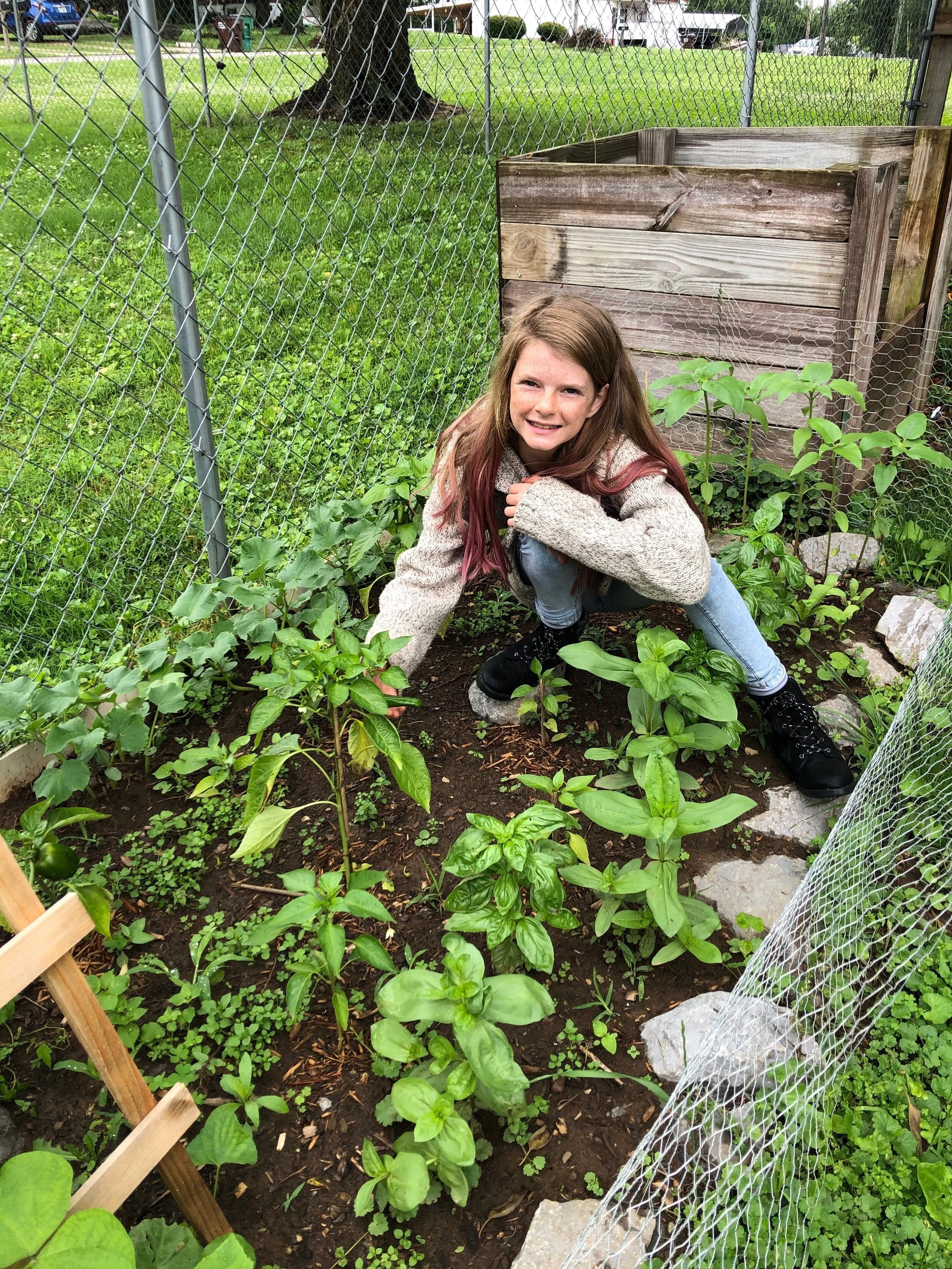
Our Jr High students’ backyard gardens are thriving! They’ve been applying what they learned in elementary gardening classes to manage pests with homemade organic sprays, and control weeds with mulching methods like cardboard and wood chips. Way to go students, we are so proud of you!


Also in Jr High, the Nutrition & Meal Prep class, emphasized skills such as proper knife grips, and how to work safely around heat in the kitchen. Their final project was to plan and execute a 3 course meal, documenting both how they used their skills, and the fellowship that was enjoyed on the other side of their efforts!
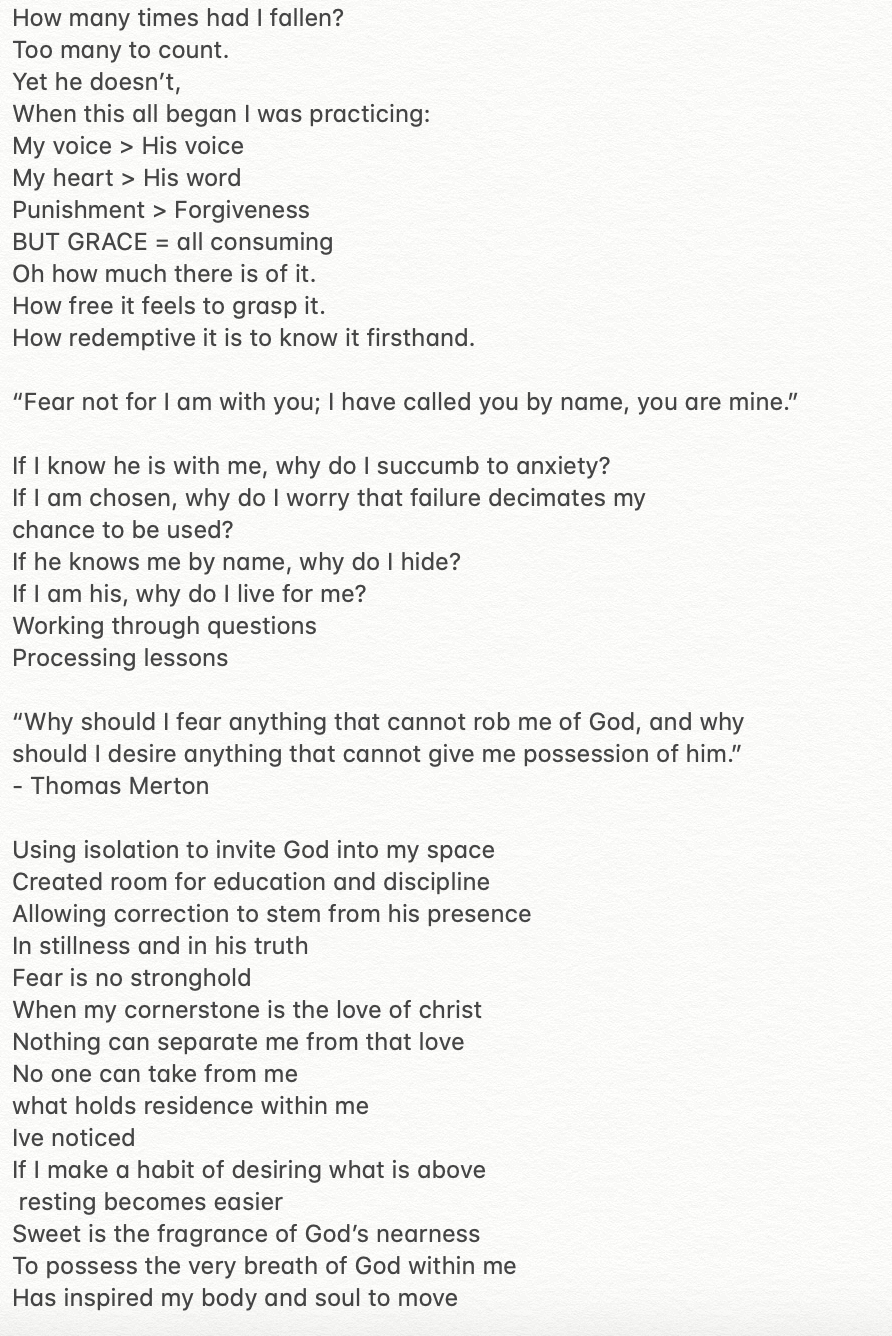
One of our high school students, Genesis, composed a poem in her Social Studies course reflecting on what they’ve learned in the class. It was a joy to see students creatively express themselves and the content they had processed through online modules.


“Life Hacks” was a favorite class with our younger elementary students. Teachers were intentional in embedding STEM skills (geometric shapes) and Language Arts skills (following and articulating step-by-step processes) into fun, creative projects.
In her 8th grade Project Development course, this Jr High student created a product called “No-Dough” to assist her in making bread and cleaning her supplies. This class trained students to create a product that met some need that they had, and could be marketable.


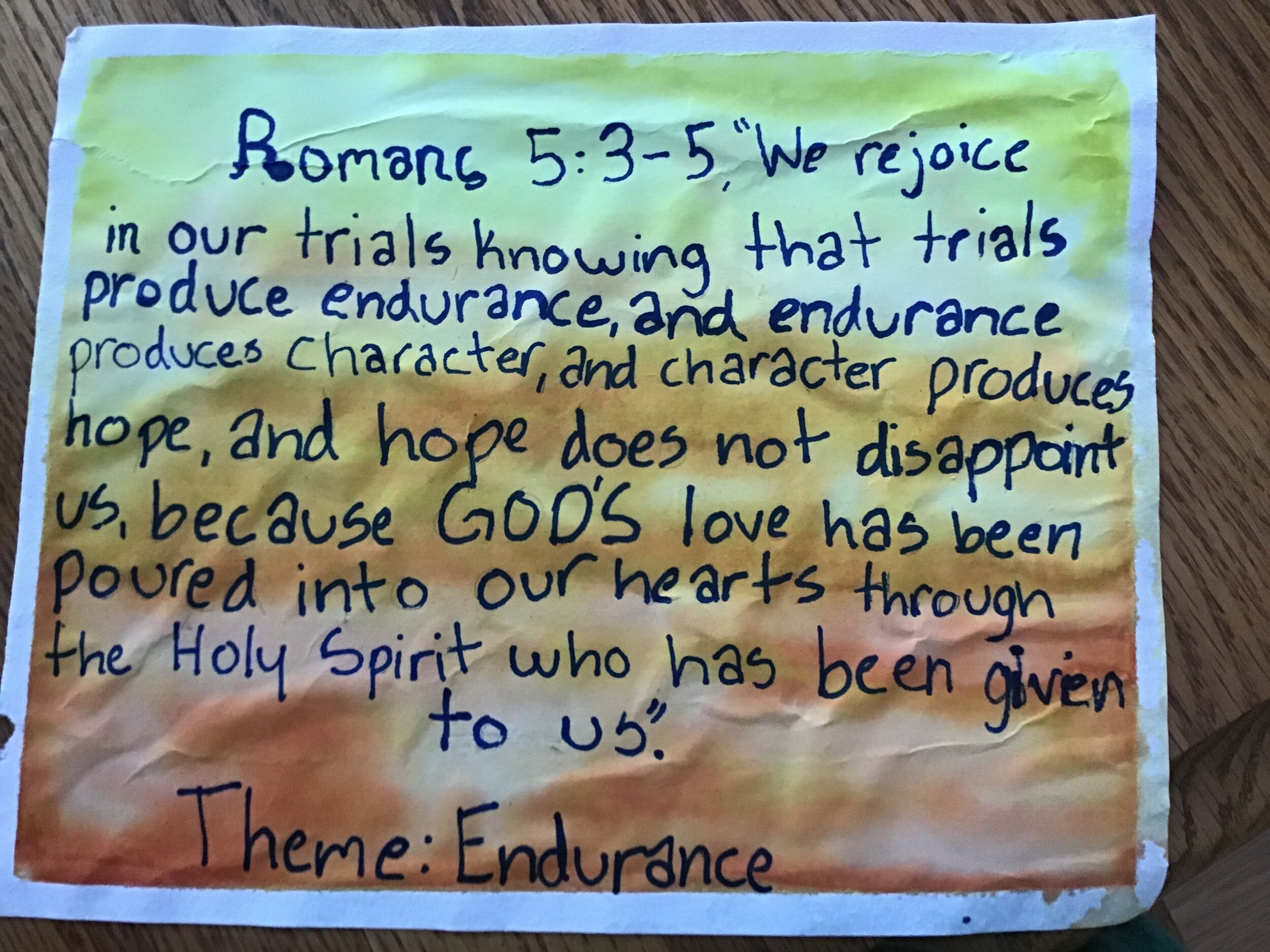
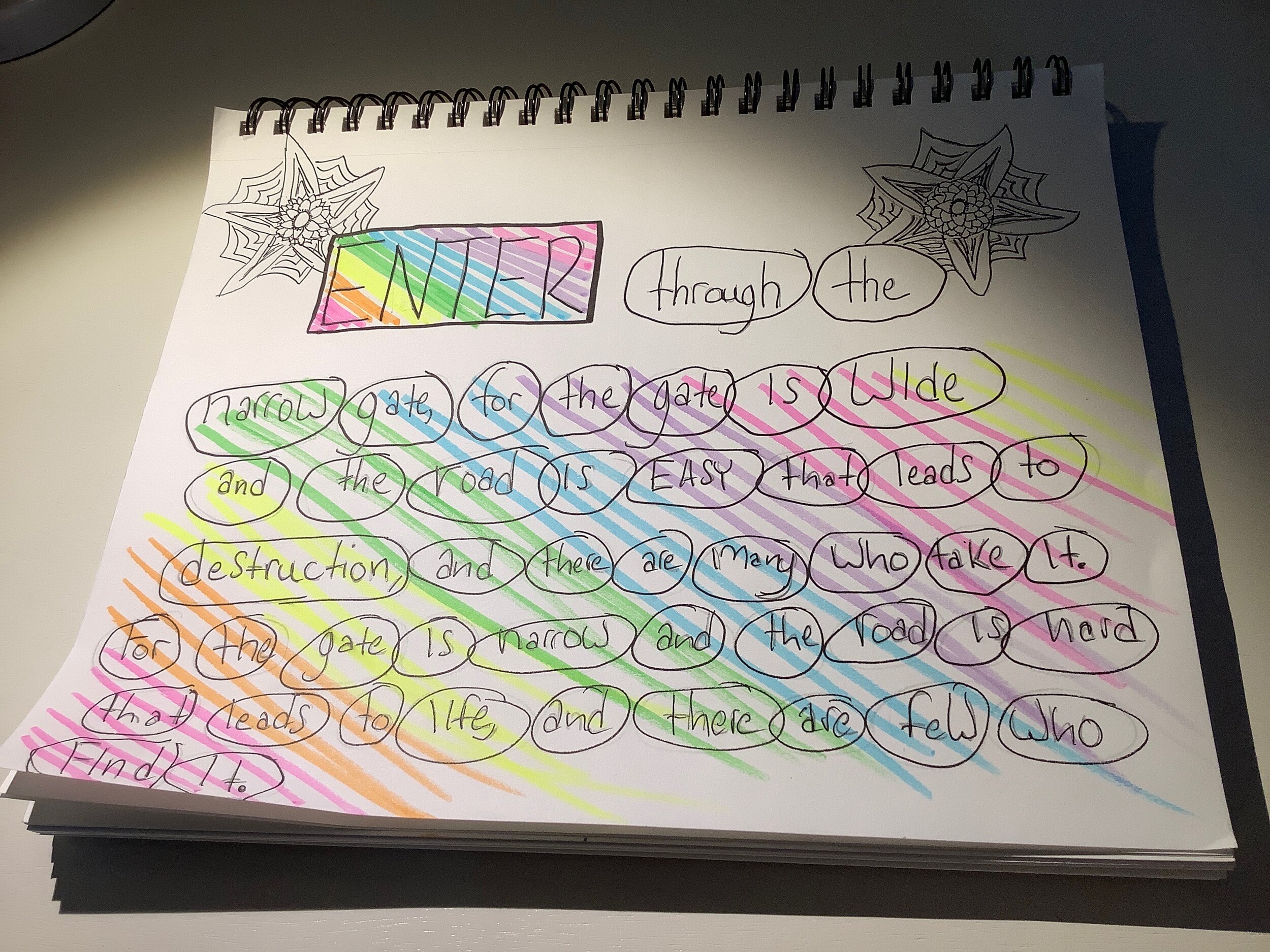
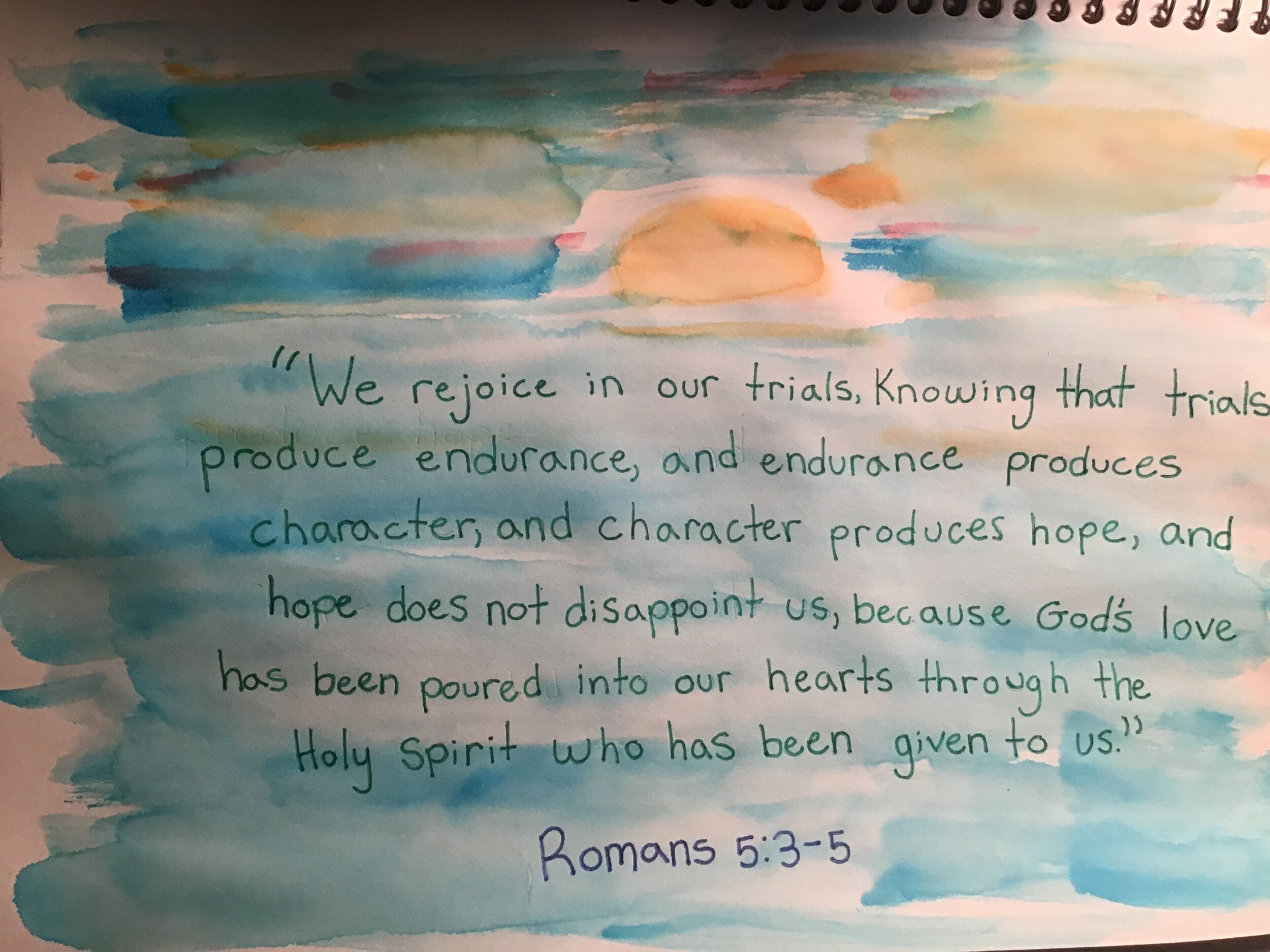
Memorizing and writing scripture is a component of our Language Arts courses. These are some submissions from elementary students!
This Jr High student did an excellent final project for his Visual Arts course! His video showcases the creation process.
And finally, this documentary by one of our upper elementary students blew her teachers away! The students were asked to use the videography and storytelling skills from the Documentary Making to produce a mini-documentary on a subject of their choice, something that was interesting and feasible to do within a 6-week period.